 EN
EN

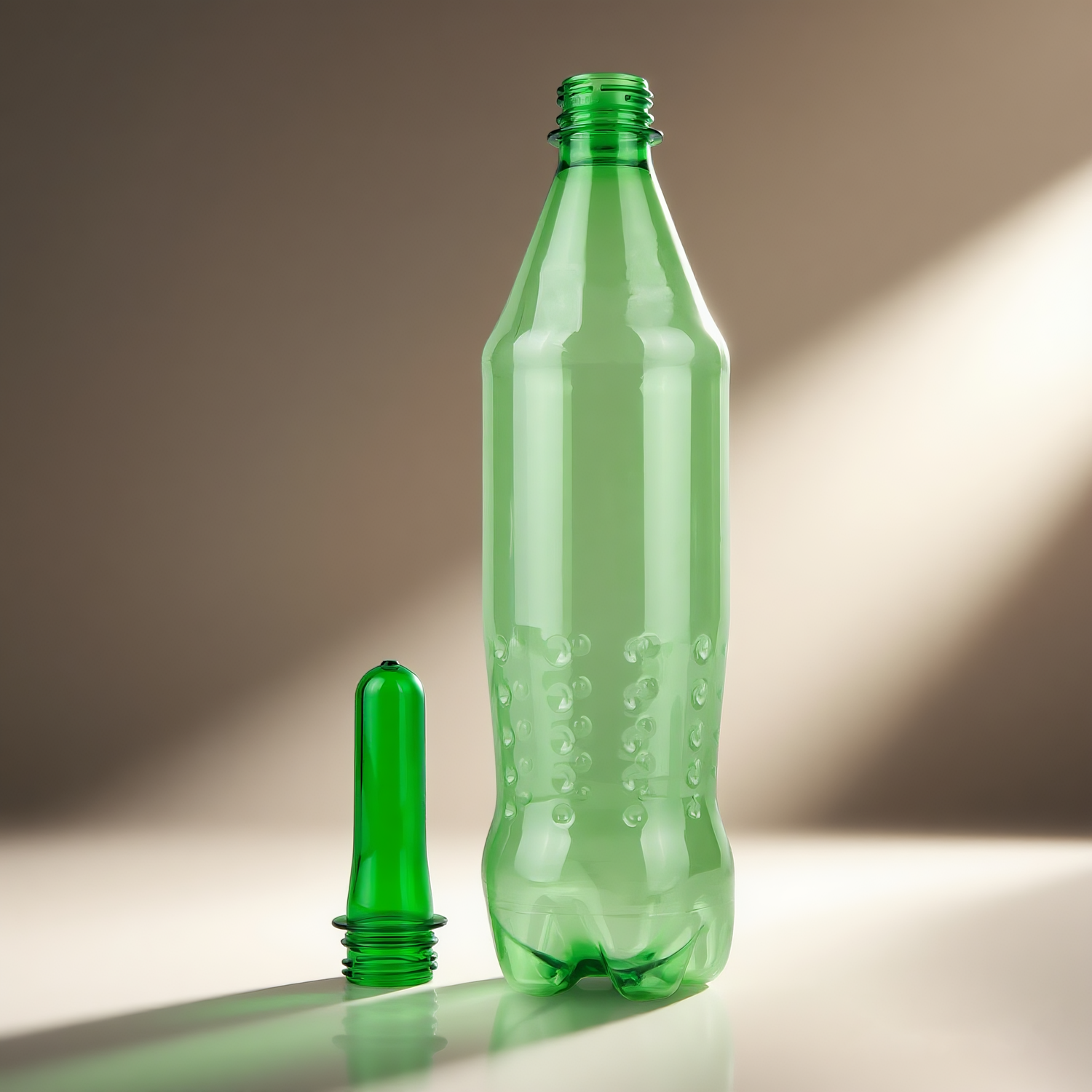
Food-grade plastic bottles are essential containers for beverages, water, oils, and food products across the globe. Understanding the materials and safety standards that define food-grade plastic bottles is critical for manufacturers, distributors, and consumers who rely on these containers to maintain product integrity and consumer safety. Food-grade plastic bottles must meet stringent regulatory requirements to ensure they do not leach harmful chemicals into their contents. The distinction between standard plastic and food-grade plastic bottles lies in the purity of materials, manufacturing processes, and adherence to international safety certifications.
The production of food-grade plastic bottles involves rigorous quality control protocols and material selection processes. Manufacturers must verify that food-grade plastic bottles contain no prohibited substances, such as bisphenol A (BPA), heavy metals, or harmful dyes. Regulatory bodies worldwide, including the FDA, EFSA, and other national authorities, establish comprehensive guidelines that define which materials qualify as suitable for food-grade plastic bottles. These standards ensure that food-grade plastic bottles maintain product safety from manufacture through distribution to consumer use.
Materials Used in Food-Grade Plastic Bottles
Polyethylene Terephthalate (PET)
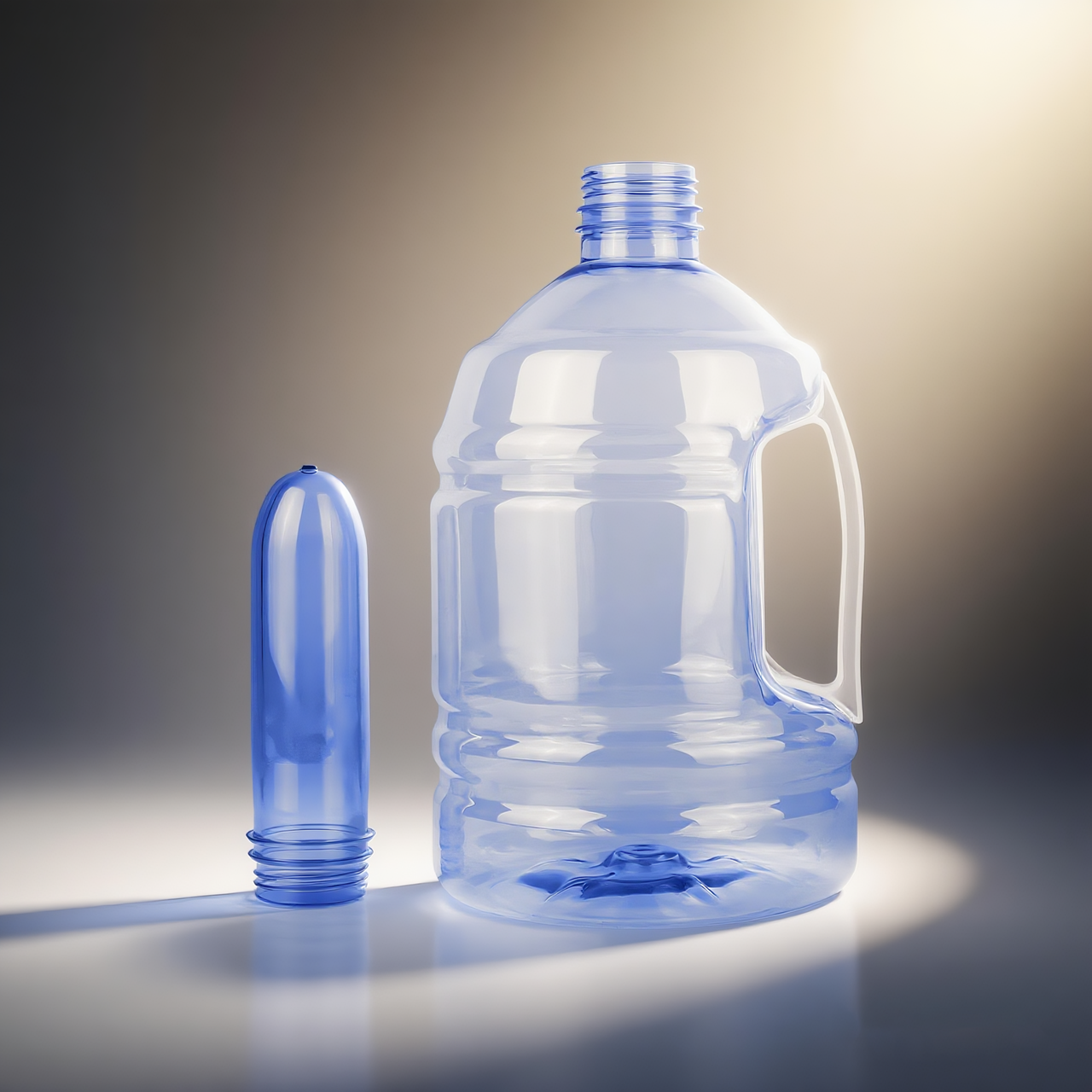
Polyethylene terephthalate, commonly known as PET, is one of the most widely used materials in food-grade plastic bottles. PET food-grade plastic bottles are transparent, lightweight, and offer excellent barrier properties against moisture and oxygen. Food-grade plastic bottles made from PET are ideal for carbonated beverages, water, juices, and edible oils because PET provides superior protection against gas permeation. The molecular structure of PET allows manufacturers to produce food-grade plastic bottles with varying thicknesses and designs while maintaining food safety compliance.
High-Density Polyethylene (HDPE)
High-density polyethylene, or HDPE, is another critical material for food-grade plastic bottles, particularly for milk, detergents with food-safe variants, and non-carbonated beverages. HDPE food-grade plastic bottles feature superior rigidity compared to PET, making them suitable for larger volumes and thicker-walled applications. Food-grade plastic bottles manufactured from HDPE offer excellent chemical resistance and maintain structural integrity across temperature variations. The opaque nature of HDPE food-grade plastic bottles makes them particularly suitable for light-sensitive products that require protection from UV exposure.
Safety Standards and Regulatory Compliance
FDA Approval and Certification
The U.S. Food and Drug Administration (FDA) establishes rigid criteria for food-grade plastic bottles through Title 21 of the Code of Federal Regulations. Food-grade plastic bottles must be manufactured according to FDA-approved formulations, and manufacturers must document compliance through food contact substance (FCS) declarations. Food-grade plastic bottles that meet FDA standards undergo testing to verify that they do not migrate unacceptable levels of chemicals into foods or beverages. Certification of food-grade plastic bottles includes verification that colorants, plasticizers, and other additives meet FDA limits and safety thresholds.
European Food Safety Authority (EFSA) Standards
The European Union enforces equally stringent requirements for food-grade plastic bottles through EFSA regulations and EU Regulation 10/2011. Food-grade plastic bottles sold in Europe must comply with specific migration limits, known as specific migration limits (SML) and overall migration limits (OML). EFSA assessments for food-grade plastic bottles include evaluation of monomer identity, residual monomer content, and degradation products that could leach into food. Manufacturers producing food-grade plastic bottles for European markets must maintain comprehensive traceability documentation and conduct regular compliance audits.
Key Safety Considerations in Food-Grade Plastic Bottles
Chemical Migration and Leaching Prevention
Chemical migration is the primary safety concern when evaluating food-grade plastic bottles. Food-grade plastic bottles are engineered to prevent harmful substances from transferring into their contents through material selection, additive controls, and manufacturing precision. Factors affecting migration risk in food-grade plastic bottles include product pH, storage temperature, fat content, and duration of contact. Testing food-grade plastic bottles for migration involves simulating worst-case scenarios: high temperatures, prolonged contact, acidic or fatty foods, and various liquid types. Food-grade plastic bottles that pass these rigorous migration tests prove their suitability for direct food contact.
Material Purity and Manufacturing Protocols
The purity of raw materials directly impacts the safety of food-grade plastic bottles. Food-grade plastic bottles must be produced from virgin or properly recycled materials that meet food-contact standards and contain no contamination. Manufacturing processes for food-grade plastic bottles include strict hygiene protocols, equipment sanitation, and production line monitoring to prevent foreign material contamination. Workers producing food-grade plastic bottles operate under documented quality management systems such as ISO 22000 or HACCP to ensure consistent food safety compliance. Food-grade plastic bottles undergo regular testing for microbial contamination, residual chemicals, and structural integrity before shipment to customers.
Industry Standards and Certifications
ISO and Quality Management Standards
International Organization for Standardization (ISO) certifications play a vital role in validating manufacturers of food-grade plastic bottles. ISO 22000 certification for manufacturers of food-grade plastic bottles demonstrates comprehensive food safety management system implementation. Food-grade plastic bottles produced by ISO-certified manufacturers undergo hazard analysis, critical control point (HACCP) protocols, and documented traceability procedures. These certifications provide assurance that food-grade plastic bottles meet consistent quality standards across production runs and geographic locations.
Third-Party Testing and Verification
Third-party laboratories test food-grade plastic bottles for compliance with international standards and regulatory requirements. Testing of food-grade plastic bottles includes organoleptic evaluation, migration testing under various food-contact scenarios, and toxicological assessment. Certificates of compliance for food-grade plastic bottles document that containers meet FDA, EFSA, and other regulatory agency requirements. Independent verification of food-grade plastic bottles provides manufacturers, distributors, and consumers with transparent documentation of safety compliance and regulatory adherence.
FAQ
What defines a food-grade plastic bottle versus standard plastic bottles?
Food-grade plastic bottles are manufactured using approved materials, controlled processing methods, and verified compliance with food safety regulations, whereas standard plastic bottles may contain additives or residues unsuitable for food contact. Food-grade plastic bottles undergo migration testing and certification, while standard plastic bottles do not meet these rigorous safety standards. The distinction ensures that food-grade plastic bottles will not leach harmful substances into beverages or food products during storage or use.
Are all food-grade plastic bottles recyclable?
Many food-grade plastic bottles are recyclable, but recycled content in new food-grade plastic bottles must meet the same safety standards as virgin material. Post-consumer recycled plastic used in food-grade plastic bottles undergoes additional purification and testing to ensure removal of contaminants and compliance with chemical migration limits. Manufacturers of food-grade plastic bottles clearly label recyclability information, allowing consumers to properly dispose of containers after use.
How do temperature and storage conditions affect food-grade plastic bottles?
Temperature and storage conditions significantly influence the performance and safety of food-grade plastic bottles. Food-grade plastic bottles should not be exposed to direct sunlight, extreme heat, or freezing temperatures beyond manufacturer recommendations, as these conditions accelerate degradation and increase migration risk. Proper storage of food-grade plastic bottles in cool, dry environments preserves container integrity and ensures product safety throughout the product shelf life and consumer use period.
