EN
EN

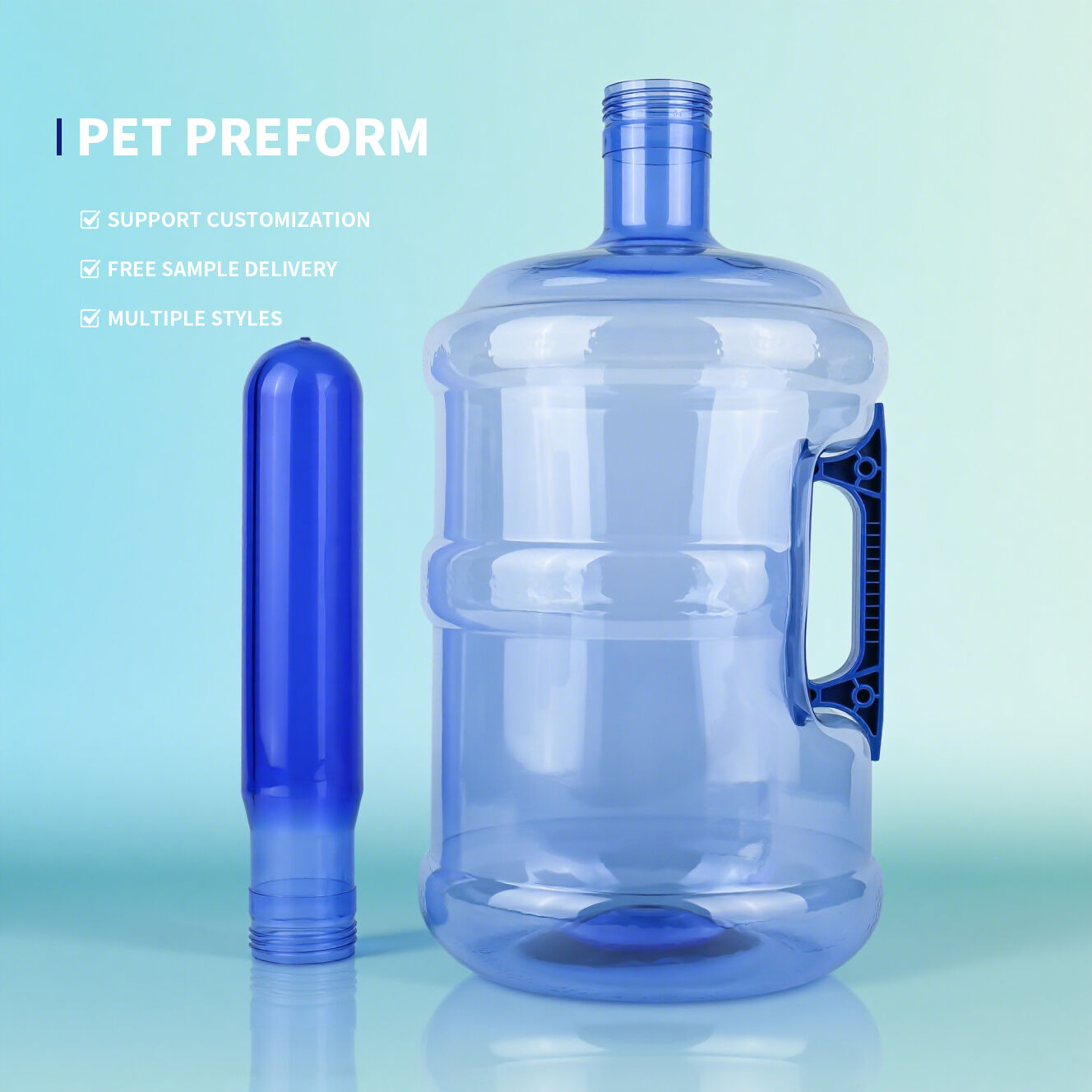
PET önformlar, geleneksel su şişesi pazarının çok ötesinde, çeşitli sektörlerde sayısız ambalaj çözümü için temel oluşturur. Bu hassas şekilde üretilen plastik bileşenler, kap üretiminin ilk aşamasını temsil eder ve farklı sıvı ürünler için özelleştirilmiş ambalaj oluşturmada üreticilere olağanüstü esneklik sağlar. PET önformların geniş uygulama yelpazesini anlamak, işletmelerin belirli ürün gereksinimlerini ve tüketici beklentilerini karşılamakla birlikte maliyet etkin ambalaj çözümlerinden yararlanmalarını sağlar.
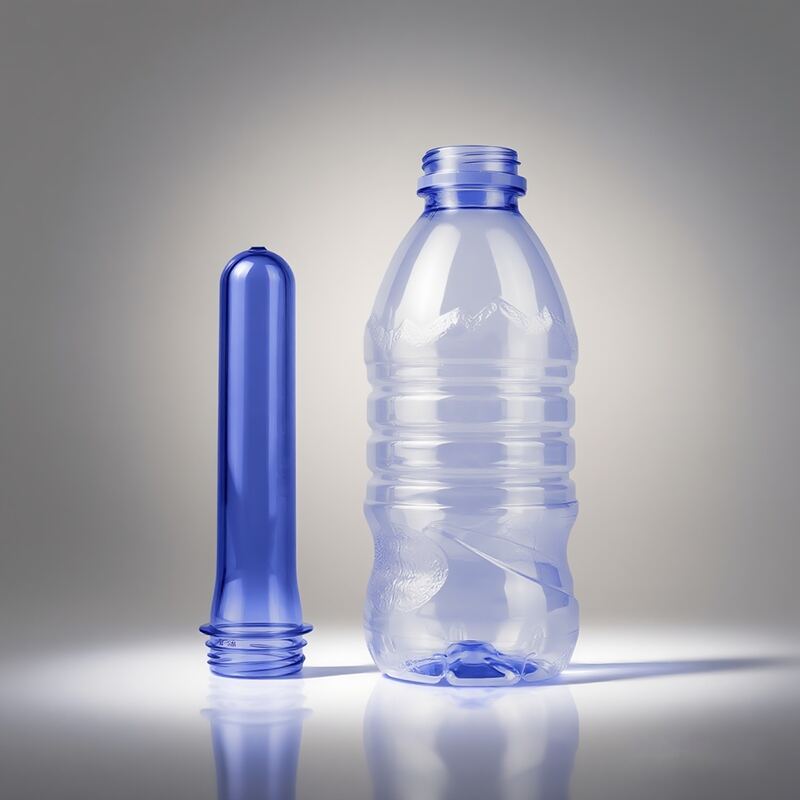
Genişleyen küresel varlık PET preformlarda şeffaflık birden fazla pazar segmentine yayılması, üstün malzeme özelliklerini, işlem verimliliğini ve ekonomik avantajlarını yansıtır. Karbonatlı içeceklerden meyve sularına, pişirme yağlarından temizlik ürünleri kadar çeşitli ürünlerde bu çok yönlü bileşenler, değişken kimyasal bileşimlere, depolama gereksinimlerine ve tüketici tercihlerine uyum sağlar. Bu kapsamlı inceleme, PET önformların sektörler genelinde ambalajcılığı nasıl dönüştürdüğünü ortaya koymaktadır; böylece üreticilere ürün bütünlüğünü korurken üretim maliyetlerini optimize eden ölçeklenebilir çözümler sunar.
Su Dışındaki İçecek Sektörü Uygulamaları
Karbonatlı Gazlı İçecekler ve Enerji İçeceği
PET önformlar, basınç tutma ve yapısal bütünlük kritik faktörler haline geldiği karbonatlı içecek uygulamalarında üstün performans gösterir. PET malzemenin moleküler yapısı, karbon dioksit geçişine karşı üstün bariyer özelliklerine sahiptir ve böylece içeceklerin uzun raf ömrü boyunca köpüklerini korumasını sağlar. Üreticiler, ürün formülasyonuna ve depolama koşullarına bağlı olarak 3,5 ila 6,0 hacim CO2 aralığındaki iç basıncı dayanabilecek şekilde geliştirilmiş duvar kalınlığı dağılımına sahip özel PET önformları kullanır.
Enerji içeceği üreticileri, fonksiyonel içeceklerde yaygın olarak bulunan çeşitli katkı maddeleri, vitaminler ve koruyucular ile kimyasal uyumlu olmaları nedeniyle PET önformlarından özellikle yararlanır. PET malzemenin inert (reaksiyona girmeyen) yapısı, tat profillerini değiştirebilecek veya besin değerini tehlikeye atabilecek istemsiz etkileşimleri önler. Ayrıca PET önformların hafifliği, yüksek enerjili içecek dağıtım ağları için gereken dayanıklılık standartlarını korurken taşıma maliyetlerini azaltır.
Karbonatlı içecekler için PET önformların işlenmesi sırasında, moleküler yönelimini optimize etmek amacıyla germe üfleme kalıplama işlemi sırasında sıcaklığın kesin olarak kontrol edilmesi gerekir. Bu yönelim, hem basınç direncini hem de şeffaflığı artırarak son kapların, premium içecek markaları için belirlenen katı kalite standartlarını karşılamasını sağlar. Boyun bitişlerinin özelleştirilebilir olması, içecek üreticilerinin spor kapakları ve açılmaya karşı koruma özelliği gösteren (bozulmaya karşı kanıt veren) tasarımlar da dahil olmak üzere özel kapatma sistemlerini entegre etmesine olanak tanır.
Meyve Suları ve Konsantreleri Ürünler
Meyve suyu üreticileri, tat bütünlüğünü korurken kristal berrak duvarları sayesinde ürünün mükemmel görünür olmasını sağlayan kaplar oluşturmak için PET önformlarına güvenmektedir. PET malzemenin düşük geçirgenlik özellikleri, oksijen geçişini etkili bir şekilde engeller; bu da özellikle sitrus bazlı ürünlerde C vitamini içeriğini korumak ve oksidasyona bağlı istemsiz tatlar oluşmasını önlemek açısından kritik öneme sahiptir. Özel üretilmiş PET önformlar, perakende sergisi sırasında ışığa duyarlı meyve sularını fotodegradasyondan korumak amacıyla UV engelleyici katkı maddeleri içerir.
Konsantre meyve suyu ürünleri, daha yüksek asitlik seviyelerini ve konsantre tat bileşenlerini karşılayabilmek için geliştirilmiş kimyasal direnç gerektiren PET önformlar kullanır. Bu uygulamalarda genellikle pH düzeyi 2,5’e kadar düşebilen ortamlara maruz kaldıklarında yapısal bütünlüklerini koruyan, modifiye reçine formülasyonlarına sahip PET önformlar tercih edilir. PET önformların termal kararlılığı, meyve suyu üretimi sırasında yaygın olarak kullanılan sıcak dolum işlem tekniklerini de destekler ve kapların performansını bozmadan 85°C’ye kadar dolum sıcaklıklarını karşılayabilir.
Meyve suyu uygulamaları için özel üretilen PET önformlar, raf ömrünü standart beklentilerin ötesine taşıyabilmek amacıyla sıklıkla özel bariyer kaplamaları veya çok katmanlı yapılar içerir. Bu gelişmiş tasarımlar, meyve suyu üreticilerinin geleneksel cam ambalajlarla etkili bir rekabet kurmalarını sağlarken tüketicilere üstün kullanım kolaylığı ve güvenlik avantajları sunar.
Yiyebilir Yağ ve Pişirme Ürünleri Uygulamaları
Sebze Yağları ve Özel Pişirme Yağları
Pişirme yağı endüstrisi, çeşitli yağ türleri ve işlem yöntemleriyle mükemmel kimyasal uyumlulukları sayesinde geleneksel ambalaj malzemelerine üstün bir alternatif olarak PET önformları benimsemiştir. Yenilebilir yağ uygulamaları için tasarlanan PET önformlar, uzun süreli depolama süreçleri sırasında oksidasyonu ve rancidite oluşumunu önlemek amacıyla geliştirilmiş bariyer özelliklere sahiptir. PET malzemenin reaksiyona girmeyen yapısı, tat aktarımını veya kirlenmeyi engeller ve böylece yüksek kaliteli pişirme yağlarının saf tat profillerini korur.
Zeytinyağı ve avokado yağı üreticileri gibi özel yağ üreticileri, ürünlerini fotooksidasyondan korumak için entegre ışık bariyerli PET önformlar kullanır. Bu özel PET önformlar, zararlı dalga boylarını süzen UV emici katkı maddeleri veya amber renklendirme içerirken aynı zamanda tüketici çekiciliği açısından ürünün görünürlüğünü korur. PET önformların hafifliği, özellikle daha yüksek kâr marjına sahip premium ürünler için yağ dağıtıcılarının nakliye maliyetlerini önemli ölçüde azaltır.
Yağ sınıfı PET önformların işlenmesiyle ilgili dikkat edilmesi gereken hususlar arasında, oksijen bariyer performansını optimize etmek için kristalleşme seviyelerinin hassas şekilde kontrol edilmesi yer alır. Gelişmiş PET önformlar, standart formülasyonlara kıyasla oksijen geçiş oranlarını %40’a kadar azaltan kristal geliştirme teknikleri içerir; bu da yağın raf ömrünü uzatır ve besin değerlerini korur.
Sirke ve Baharat Uygulamaları
Sirke ve asidik baharat üreticileri, %8’e kadar asetik asit konsantrasyonlarına maruz kaldığında yapısal bütünlüğünü koruyan PET önformların olağanüstü kimyasal direncinden yararlanır. PET malzemenin inert özellikleri, kapların bozulmasını önler ve dağıtım döngüleri boyunca ürün kalitesinin tutarlı kalmasını sağlar. Sirke uygulamalarında kullanılan PET önformlar, asidik formüllerle uzun vadeli uyumluluğunu doğrulamak amacıyla özel test protokolleriyle değerlendirilir.
Baharat üreticileri, PET önformların sunduğu tasarım esnekliğinden memnuniyet duyar; bu esneklik, porsiyon kontrol dağıtıcıları ve özel kapaklar için özelleştirilmiş boyun konfigürasyonlarının oluşturulmasını sağlar. PET malzemenin şeffaflığı, tüketicilerin ürün kalitesini ve rengini değerlendirmesine olanak tanır; bu durum özellikle premium sirke ve gastronomi sınıfı baharat segmentleri için oldukça önemlidir. Ayrıca PET önformlar, baharat üretiminde yaygın olarak kullanılan soğuk dolum ve pastörizasyon süreçlerini destekler.
Baharat uygulamaları için gelişmiş PET önformlar, depolama ve dağıtım sırasında sıcaklık dalgalanmalarını karşılayabilmesi amacıyla gerilim çatlağı direnci artırımları içerir. Bu iyileştirmeler, küresel dağıtım ağlarında karşılaşılan çeşitli iklim koşullarında kapların başarısız olmasını önler ve ürün bütünlüğünü korur.
Ev ve Kişisel Bakım Ürünleri Entegrasyonu
Temizlik Ürünleri ve Deterjanlar
Ev temizliği ürünleri üreticileri, agresif kimyasal formülasyonlara dayanıklı ve maliyet verimliliğini koruyan dayanıklı kaplar oluşturmak için giderek daha fazla PET önform kullanmaktadır. Ev deterjanlarında kullanılan temizlik uygulamaları için tasarlanan PET önformlar, ev deterjanlarında yaygın olarak bulunan alkali çözeltiler, yüzey aktif maddeler ve ağartıcılar ile sert uyumluluk testlerine tabi tutulur. PET malzemenin kimyasal kararlılığı, kabın bozulmasını önler ve ürünün raf ömrü boyunca tutarlı performans göstermesini sağlar.
Sıvı çamaşır deterjanı üreticileri, taşıma streslerine ve tüketici kullanımına dayanabilmeleri için artırılmış darbe direncine sahip PET önformları kullanır. Bu özel PET önformları, aşırı sıcaklık değişimleri ve mekanik stres altında bile kapak bütünlüğünü koruyan darbe önleyici katkı maddeleri içerir. PET malzemenin şeffaflığı, tüketicilerin ürün seviyelerini izlemesine ve temizleme çözeltisinin kıvamını değerlendirmesine olanak tanır.
Çevresel dikkatler, temizlik ürünleri üreticilerini, alternatif ambalaj malzemelerine kıyasla geri dönüşüm avantajları ve azaltılmış karbon ayak izi nedeniyle PET önformlara yönlendiriyor. Gelişmiş PET önformlar, agresif temizleme formülasyonları için gerekli performans standartlarını korurken post-consumer (tüketim sonrası) geri dönüştürülmüş içerik içerir.
Kişisel Bakım ve Kozmetik Uygulamaları
Kişisel bakım ürünleri üreticileri, şampuanlar, vücut yıkama ürünleri ve sıvı kozmetik ürünler için premium ambalaj çözümleri oluşturmak amacıyla PET önformları kullanır. PET malzemenin çeşitli koruyucular, parfümler ve aktif bileşenlerle kimyasal uyumluluğu, ürün stabilitesini sağlar ve istenmeyen etkileşimleri önler. Kişisel bakım uygulamalarında kullanılan PET önformlar, çizilmeye karşı direnci artırmak ve ürün kullanım süresince optik berraklığı korumak amacıyla genellikle özel katkı maddeleri içerir.
Kozmetik şirketleri, PET önformların sunduğu tasarım esnekliğini takdir eder; bu da kullanıcı deneyimini geliştiren karmaşık şişe geometrileri ve entegre dozlayıcı özelliklerinin oluşturulmasını sağlar. PET önformların hafifliği, ambalaj maliyetlerini azaltırken aynı zamanda kozmetik tüketici açısından giderek daha önemli hâle gelen sürdürülebilir ambalaj girişimlerini destekler. Kozmetik uygulamaları için geliştirilen ileri düzey PET önformlar, nem kaybını önlemek ve ürünün etkinliğini korumak amacıyla bariyer artırıcı özellikler içerir.
Kişisel bakım ürünleri için PET önformların işlenmesi sürecinde, premium kozmetik markaları tarafından talep edilen yüzey kalitesini elde etmek amacıyla parametrelerin kesin bir şekilde kontrol edilmesi gerekir. Bu uygulamalarda genellikle yüzey kusurlarını en aza indirgen ve yüksek düzeyde ürün sunumu için optik özelliklerini optimize eden özel uzatma üfleme kalıplama teknikleri kullanılır.
Endüstriyel ve Özel Uygulamalar
Otomotiv ve Teknik Sıvılar
Otomotiv endüstrisi, cam silme sıvıları, antifriz katkı maddeleri ve özel yağlayıcılar gibi çeşitli teknik sıvıların ambalajlanması için PET önformlar kullanır. Otomotiv uygulamaları için tasarlanan PET önformlar, aşırı sıcaklık aralıklarına dayanabilmeli ve glikol bazlı formülasyonlar ile korozyon önleyici maddelerle kimyasal uyumluluk sağlamalıdır. PET malzemenin dayanıklılığı, zorlu otomotiv ortamlarında depolama sırasında kapların bütünlüğünü garanti eder.
Teknik sıvı üreticileri, geleneksel metal veya cam kaplara kıyasla PET ön şekillendirilmiş ürünlerin sunduğu maliyet verimliliğinden ve işlem tutarlılığından yararlanır. PET ön şekillendirilmiş ürünlerin hafifliği, toplu otomotiv sıvısı dağıtıcıları için taşıma maliyetlerini azaltırken, son kullanıcılar için üstün kullanım güvenliği sağlar. Otomotiv uygulamaları için gelişmiş PET ön şekillendirilmiş ürünler, sıcaklık değişim koşullarında kırılma başarısızlığını önlemek amacıyla gerilim çatlağı direnci artırıcı özellikler içerir.
Otomotiv sınıfı PET ön şekillendirilmiş ürünler için kalite kontrol protokolleri, kimyasal uyumluluk, sıcaklık dayanımı ve uzun süreli depolama kararlılığı konularında özel testleri içerir. Bu katı standartlar, otomotiv sıvısı kaplarının küresel dağıtım ağlarında uzun süreli depolama süreleri boyunca ve çeşitli iklim koşullarında performanslarını korumasını sağlar.
Tarımsal ve Bahçe Bakım Ürünleri
Tarımsal kimyasal üreticileri, sıvı gübreler, bitki besinleri ve organik bahçe bakım ürünleri için giderek daha fazla PET önforma kullanmaktadır. PET malzemenin kimyasal direnci, azot çözeltileri, fosfat bileşikleri ve organik ilaveler de dahil olmak üzere çeşitli besin formülasyonlarıyla uyumluluk sağlar. Tarımsal uygulamalarda kullanılan PET önformalar, reaktif kimyasal bileşenlerle uzun süreli kararlılığı sağlamak amacıyla kapsamlı uyumluluk testlerine tabi tutulur.
Bahçe bakım ürünleri üreticileri, ürün etkinliğini dış mekânda depolama sırasında korumak amacıyla ışığı engelleyici katkı maddeleri içeren özel PET önformaların UV direnci özelliklerini takdir eder. PET malzemenin darbe direnci, zorlu tarımsal ortamlarda kabın dayanıklılığını sağlar; bu ortamlarda genellikle sert işleme maruz kalınır. Ayrıca PET önformaların geri dönüştürülebilirliği, çevre bilincine sahip tarımsal işletmeler için giderek daha önemli hâle gelen sürdürülebilirlik girişimlerini destekler.
Tarımsal PET önformların işlenmesiyle ilgili dikkat edilmesi gereken hususlar arasında, kaplardan kaynaklanan safsızlıklar nedeniyle mahsul hasarını önlemek için kirlilik kontrol önlemleri yer alır. Bu uygulamalar, tedarik zincirinin tamamında tarımsal ürün güvenliği standartlarını korumak amacıyla özel işlem protokolleri ve kalite güvencesi testleri gerektirir.
SSS
Meyve suları ve sirke gibi asidik ürünler için PET önformları neden uygundur?
PET önformlar, moleküler yapıları sayesinde asidik formülasyonlara karşı mükemmel kimyasal direnç gösterir; bu yapı, pH seviyesi 2,5’e kadar düştüğünde bile kararlılığını korur. PET malzemenin inert özellikleri, kimyasal bozunmayı ve tat aktarımını engeller ve böylece ürün kalitesinin depolama süresince korunmasını sağlar. Asidik uygulamalar için özel olarak geliştirilen PET önformlar, genellikle asidik ürün formülasyonlarının zorlu gereksinimlerini karşılayabilmek amacıyla geliştirilmiş bariyer özelliklerine ve gerilim çatlağı direncine sahiptir.
PET önformlar, yağ ambalaj uygulamaları açısından cam kaplara kıyasla nasıl bir performans sergiler?
PET önformlar, yağ ambalajı için cam kaplara kıyasla üstün darbe direnci, daha hafif ağırlık ve daha düşük taşıma maliyetleri gibi önemli avantajlar sunar. Oksidasyona karşı mükemmel bariyer özelliklerini korurken, PET önformlar cam ambalajla ilişkili kırılma risklerini ortadan kaldırır ve özel şekiller ile dozlayıcı özellikler için daha büyük tasarım esnekliği sağlar. Gelişmiş PET önformlar, UV engelleme yeteneği ve cam performansını eşleyen veya aşan geliştirilmiş oksijen bariyerleri içerirken, aynı zamanda daha iyi kullanım güvenliği sağlar.
PET önformlar karbonatlı içeceklerin basınç gereksinimlerini karşılayabilir mi?
Evet, PET önformlar, genellikle 3,5 ila 6,0 hacim CO₂ aralığında değişen karbonatlı içeceklerin oluşturduğu iç basınçlara dayanacak şekilde özel olarak tasarlanmıştır. Uzatma üfleme kalıplama sırasında elde edilen moleküler yönelim, hafiflik özelliklerini korurken üstün basınç direnci sağlar. Karbonatlı ürünler için özel olarak geliştirilen PET önformlar, yüksek basınç koşullarında ürün raf ömrü boyunca kabın başarısız olmamasını sağlamak amacıyla optimize edilmiş duvar kalınlığı dağılımına ve geliştirilmiş yapısal tasarımlara sahiptir.
Farklı uygulamalarda PET önformların kullanılmasının çevresel avantajları var mıdır?
PET önformlar, alternatif ambalaj malzemelerine kıyasla tamamen geri dönüştürülebilir olmaları ve daha düşük karbon ayak izine sahip olmaları nedeniyle tüm uygulamalarda önemli çevresel avantajlar sağlar. PET önformların hafif özellikleri, taşıma sırasında enerji gereksinimini azaltırken dayanıklılıkları, kapların hasar görmesinden kaynaklanan ambalaj atıklarını en aza indirir. Günümüzde birçok PET önform, tüketici tarafından geri kazanılmış içerik içerir; bu da içeceklerden ev kimyasallarına kadar çeşitli ürün uygulamaları için gerekli performans standartlarını korurken döngüsel ekonomi ilkelerini destekler.
İçindekiler
- Su Dışındaki İçecek Sektörü Uygulamaları
- Yiyebilir Yağ ve Pişirme Ürünleri Uygulamaları
- Ev ve Kişisel Bakım Ürünleri Entegrasyonu
- Endüstriyel ve Özel Uygulamalar
-
SSS
- Meyve suları ve sirke gibi asidik ürünler için PET önformları neden uygundur?
- PET önformlar, yağ ambalaj uygulamaları açısından cam kaplara kıyasla nasıl bir performans sergiler?
- PET önformlar karbonatlı içeceklerin basınç gereksinimlerini karşılayabilir mi?
- Farklı uygulamalarda PET önformların kullanılmasının çevresel avantajları var mıdır?