 EN

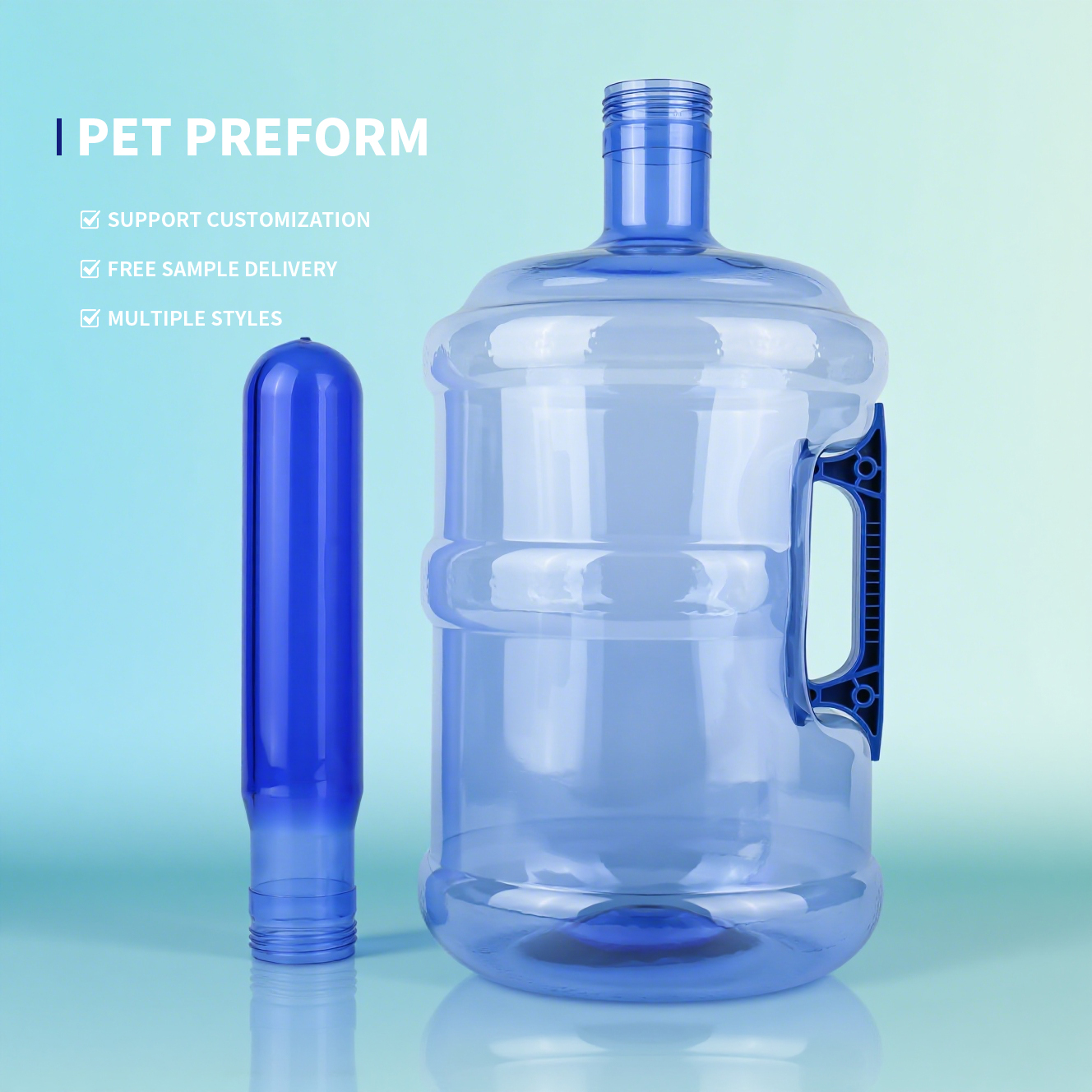
Most buyers associate PET preforms directly with bottled water, but this versatile packaging component powers a far wider range of blow-molded containers across food, beverage, home care, personal care and specialty chemical sectors. Each use case demands a unique preform recipe, wall mapping, barrier performance and thermal specification. A preform optimized for still water will fail when used for hot-fill juice, carbonated drinks or oxidizable edible oil. This article breaks down the core non-water applications of PET preforms, their material requirements and design tradeoffs for juice, cooking oil, condiments, cleaners and more.
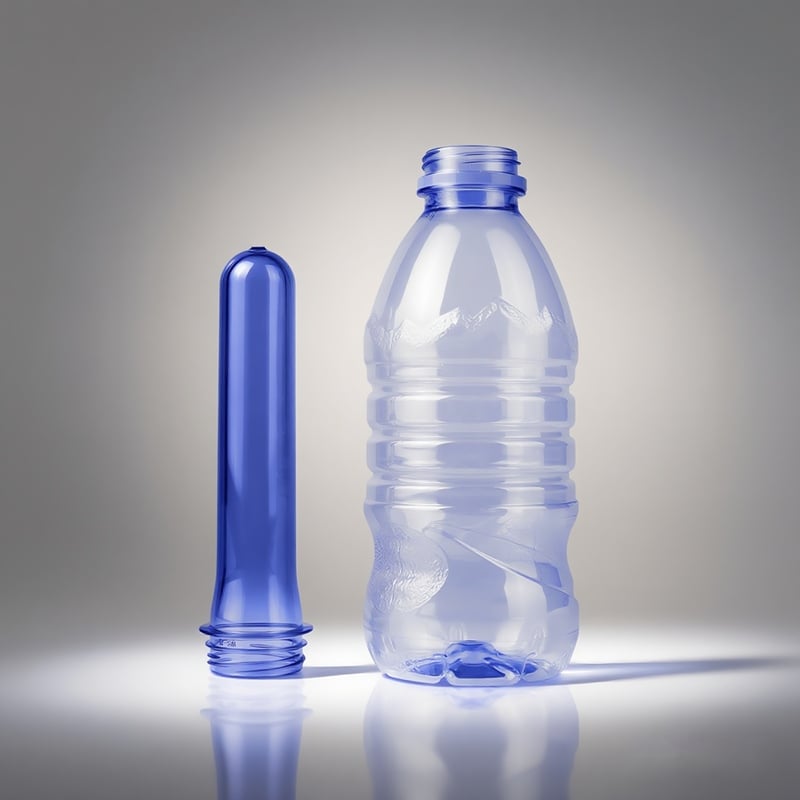
The rise of rPET, lightweighting and multi-layer barrier technology has accelerated adoption outside the water category. Compared with glass, PVC and HDPE alternatives, PET delivers clarity, low weight, good recyclability and flexible blow-mold shaping. Yet every formulation constraint — acidity, oxygen sensitivity, internal CO2 pressure, heat filling, chemical aggression — must be baked into the preform design at the molding stage.
Beverage Industry Applications Beyond Water
Carbonated Soft Drinks and Energy Beverages
Carbonated drinks are one of the most technically demanding PET preform applications. The finished bottle must hold CO2 pressure consistently for months without bulging, stress cracking or losing fizz. Preforms for CSD and energy drinks use higher-IV PET grades and carefully tuned wall thickness distribution. After stretch blow molding, biaxial orientation strengthens the bottle wall and slows CO2 escape. Typical service pressure ranges from 3.5 to 6.0 CO2 volumes, so preform weight and stretch ratio are engineered specifically for that pressure rating.
Energy drinks add another layer of complexity: high acidity, vitamins, caffeine and preservatives. PET’s inert nature avoids unwanted chemical interactions that could discolor the liquid or create off-notes. Brands also rely on custom neck finishes to fit tamper-evident caps, sport closures and child-safe lids. Unlike water preforms, CSD preforms cannot be over-lightweighted; structural safety and shelf-life carbon retention come first.
Blow-mold process control is critical here. Improper heating creates uneven orientation, weak spots and premature failure. Experienced preform manufacturers run pressure retention and burst testing to validate each design before mass production.
Fruit Juices and Concentrate Products
Juice packaging is primarily an oxygen-barrier challenge. Oxygen penetrates PET, oxidizing vitamin C and creating stale, brown off-flavors, especially in citrus juices. Standard water-grade PET is insufficient for long-shelf juice. Makers use oxygen-scavenger additives, UV blockers or multi-layer barrier preforms to slow oxygen ingress. UV inhibitors also protect light-sensitive juice from photodegradation under retail lighting.
Many juices use hot-fill processes up to 85°C, which means the preform must resist thermal shrinkage and vacuum paneling after filling and cooling. Hot-fill juice preforms have different crystallinity and base designs than cold-fill water preforms. High-acid concentrates (pH down to 2.5) also require resin grades formulated for acid resistance to prevent stress cracking over shelf life.
The visual benefit of clear PET is a major selling point: shoppers can see the natural juice color. Premium juice lines often use custom contoured bottle shapes, which require simulation-driven preform wall mapping so thin spots do not appear on curved panels after blowing.
Edible Oil and Cooking Product Applications
Vegetable Oils and Specialty Cooking Oils
Edible oil’s main enemy is oxygen and light, which trigger oxidation and rancidity. PET oil preforms are engineered to reduce oxygen transmission. Olive oil, avocado oil and premium nut oils are particularly sensitive. Two common solutions are amber-tinted PET or UV-blocking additives to filter visible and UV light. These let brands keep the convenience of plastic while delaying rancidity compared with clear standard PET.
PET is chemically inert with most edible oils, so there is minimal flavor migration, unlike some lower-grade plastics. It is also much lighter and shatter-resistant than glass, cutting breakage loss and freight weight for bulk oil shipments. This is a huge advantage for large 1L, 2L and 5L cooking oil formats.
Crystallization control is a key technical lever here. Controlled crystallinity improves oxygen barrier performance without ruining clarity. Manufacturers test finished bottles with accelerated shelf-life oxidation tests to validate the preform design before launch.
Vinegar and Condiment Applications
Vinegar is high in acetic acid, up to roughly 8% for many formulations. PET performs well against this acidic environment, resisting degradation and stress cracking when the correct resin grade and preform design are selected. This makes it a popular replacement for glass in table vinegar, salad dressings and liquid marinades.
Condiment brands lean heavily on PET’s design freedom: custom necks for flip-top caps, pour spouts and portion-control dispensers. Clear PET lets consumers inspect color and texture, which matters for premium balsamic vinegar and gourmet sauces. Most condiment lines run cold fill, though pasteurized variants need heat-resistant preform designs.
One common failure mode for condiment bottles is environmental stress cracking. Preform suppliers add stress-crack resistance modifiers and run temperature-cycle testing to ensure bottles survive fluctuating warehouse and retail climates.
Household and Personal Care Product Integration
Cleaning Products and Detergents
Household cleaners, liquid detergents and surface sprays contain surfactants, alkalis and sometimes bleach components. Not all PET preforms work here — suppliers must run chemical compatibility testing with the exact cleaner formulation to avoid crazing, cracking or haze over time.
Laundry detergent bottles prioritize impact resistance for rough handling in warehouses and homes. Impact-modified PET preforms keep bottles from cracking when dropped. Transparency also helps consumers see fill level, a user-experience advantage over opaque HDPE for many brands.
Sustainability is a strong driver in home care. Many cleaner brands now specify rPET preforms. Suppliers must control contamination and resin quality carefully, since aggressive cleaning chemistries can expose material weaknesses that would go unnoticed in water bottles.
Personal Care and Cosmetic Applications
Shampoo, body wash, micellar water and liquid skincare often use PET bottles. PET works well with most fragrances, preservatives and mild surfactants, though high-concentration essential oils or certain solvents require compatibility screening. Cosmetic buyers prize surface quality: preform molding must minimize gate marks, streaks and scratches for shelf appeal.
The design flexibility of PET is a major win for beauty brands. Complex curves, slim silhouettes and luxury dispensing caps can all be matched with custom preform TDK and neck geometry. Lightweighting cuts packaging cost, while recyclable PET aligns with clean-beauty sustainability claims.
Some skincare products need moisture or oxygen barrier control to preserve active ingredients. In those cases, barrier-enhanced or multi-layer PET preforms are used instead of commodity grades.
Industrial and Specialty Applications
Automotive and Technical Fluids
Windshield washer fluid, coolant additives and specialty lubricants are commonly blow-molded from PET preforms. These containers must tolerate wide temperature swings in storage and transit and resist glycol and corrosion-inhibitor chemistries.
Compared with metal cans or glass, PET is lighter and safer, with no sharp edges if broken. Industrial fluid buyers focus on low cost, consistent wall strength and stress-crack resistance during freeze-thaw cycles. These preforms are usually functional rather than decorative, with simpler shapes and robust base designs.
QC includes chemical soak testing and thermal cycling validation to avoid field failures in garages and outdoor storage.
Agricultural and Garden Care Products
Liquid fertilizers, plant feeds and organic garden sprays are increasingly packed in PET. The resin must tolerate nutrient salts, organic acids and trace biocides. Suppliers run compatibility tests for each formulation to prevent bottle degradation.
Outdoor storage creates two key demands: UV resistance and high impact strength. UV-blocking preforms stop active ingredients from breaking down in sunlight, while tough PET construction survives rough farm and garden handling.
For agricultural markets, traceability and contamination control are extra important. Even tiny impurities from molding could harm crops, so food-contact-grade hygiene standards are often carried over into agricultural preform production.
FAQ
What makes PET preforms suitable for acidic products like fruit juices and vinegar?
PET has excellent inherent chemical inertness against moderate acids down to pH 2.5. It does not leach flavor or degrade quickly when properly formulated. For hot-fill or long-shelf acidic products, manufacturers upgrade to specialty PET grades, add barrier additives and boost stress-crack resistance to avoid cracking over storage time.
How do PET preforms compare to glass containers for oil packaging applications?
PET is far lighter and shatterproof, lowering freight cost and breakage risk. Modern UV-blocking and barrier PET preforms can slow oil oxidation nearly as well as tinted glass. The main tradeoff: glass still delivers superior long-term oxygen barrier for ultra-premium oils with multi-year shelf targets. PET is usually the better commercial choice for mass-market edible oil brands.
Can PET preforms handle the pressure requirements of carbonated beverages?
Yes, but only dedicated CSD-grade preforms. Higher-IV resin, optimized wall distribution and correct biaxial orientation during blowing create bottles that hold CO2 pressure reliably. Standard water preforms will bulge or fail quickly under carbonation pressure and should never be repurposed for soda or sparkling drinks.
Are there environmental benefits to using PET preforms across different applications?
PET is widely recyclable and compatible with post-consumer rPET blends across juice, oil, home care and personal care lines. Lightweighting cuts transport emissions versus glass. The main caveat: some barrier additives and colorants can complicate recycling streams, so sustainable product design must balance shelf-life needs with recyclability goals.
Table of Contents
- Beverage Industry Applications Beyond Water
- Edible Oil and Cooking Product Applications
- Household and Personal Care Product Integration
- Industrial and Specialty Applications
-
FAQ
- What makes PET preforms suitable for acidic products like fruit juices and vinegar?
- How do PET preforms compare to glass containers for oil packaging applications?
- Can PET preforms handle the pressure requirements of carbonated beverages?
- Are there environmental benefits to using PET preforms across different applications?
