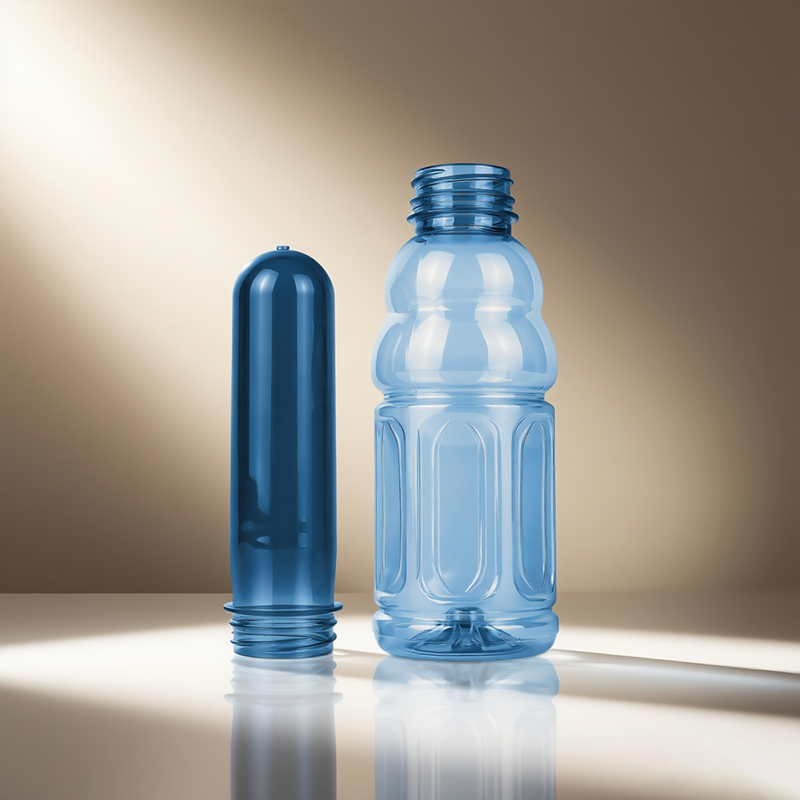
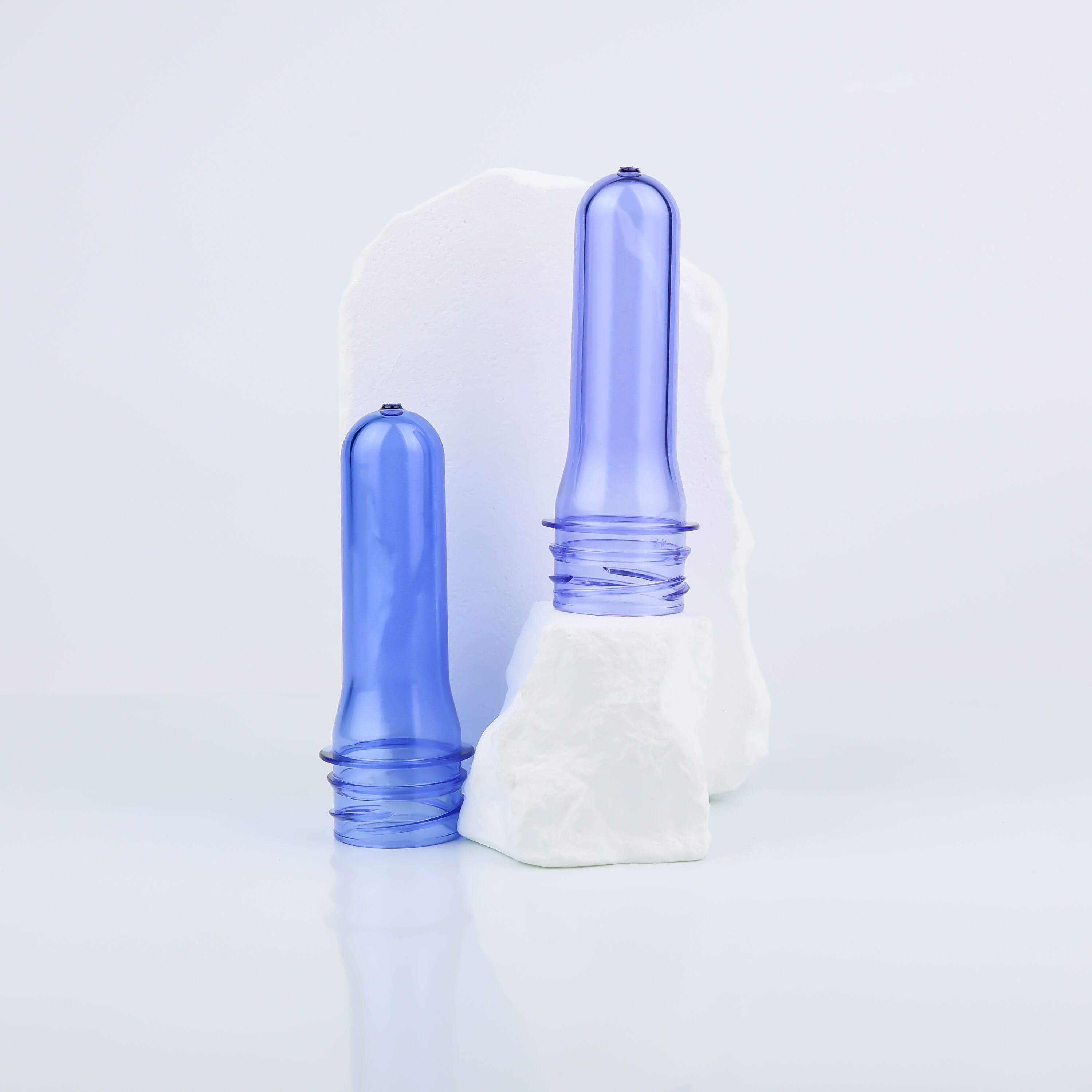
Preforms serve as the foundation for blow-molded bottles, directly influencing the structural integrity and dimensional consistency of the final container. The quality of preforms determines critical performance characteristics including wall thickness uniformity, stress distribution, and overall mechanical strength. Understanding how preforms affect bottle properties enables manufacturers to optimize production parameters and achieve superior container performance across diverse applications.

The relationship between preform characteristics and bottle performance involves multiple interdependent factors including material distribution, thermal properties, and geometric precision. High-quality preforms provide controlled material flow during the blow molding process, resulting in bottles with predictable wall thickness patterns and enhanced mechanical properties. This technical relationship forms the basis for understanding how preform specifications translate into bottle quality metrics.
Material Distribution and Wall Thickness Control
Preform Wall Thickness Impact on Final Bottles
The wall thickness distribution in preforms directly governs the final bottle wall consistency through the stretch blow molding process. Uniform preform walls promote even material distribution during stretching, preventing weak points and ensuring consistent barrier properties. Variations in preform wall thickness create corresponding variations in bottle walls, affecting both structural integrity and material usage efficiency.
Premium preforms feature precisely controlled wall thickness tolerances, typically within ±0.05mm, which translate to superior bottle consistency. This precision enables manufacturers to achieve optimal material utilization while maintaining required mechanical properties throughout the container structure. The relationship between preform and bottle wall thickness follows predictable ratios that experienced manufacturers use to optimize both components.
Material Flow Characteristics During Blow Molding
The molecular orientation achieved during preform stretching significantly influences bottle strength characteristics. Properly designed preforms facilitate controlled biaxial orientation, creating bottles with enhanced impact resistance and barrier properties. The preform geometry determines how polymer chains align during the stretching process, directly affecting the mechanical performance of the finished container.
Temperature distribution within preforms during blow molding affects material flow patterns and final bottle properties. Uniform heating of preforms ensures consistent stretching behavior, while temperature variations can create stress concentrations and wall thickness irregularities. Advanced preform designs incorporate features that promote optimal heat distribution and controlled material flow during processing.
Stress Distribution and Mechanical Strength
Residual Stress Management in Preforms
Residual stresses within preforms significantly influence bottle performance and long-term stability. Injection molding parameters during preform production affect stress levels, with cooling rate and holding pressure playing critical roles. Lower residual stresses in preforms translate to bottles with improved environmental stress crack resistance and dimensional stability under various conditions.
The gate design and runner system used in preform manufacturing influence stress distribution patterns. Properly designed gates minimize stress concentration at the bottle base, while optimized runner systems ensure uniform filling and reduced material degradation. These factors collectively determine how effectively preforms can be converted into high-performance bottles with consistent mechanical properties.
Impact of Preform Geometry on Bottle Strength
The overall geometry of preforms, including length, diameter, and wall profile, directly affects bottle strength characteristics. Longer preforms typically produce bottles with better stretch ratios and improved molecular orientation, resulting in higher impact strength and better top load performance. The preform diameter and taper profile influence how material distributes during stretching, affecting final bottle wall consistency.
Thread design and finish quality in preforms determine the integrity of bottle necks and closure performance. Precise thread dimensions ensure proper sealing while maintaining structural strength under internal pressure and handling stresses. The finish area of preforms requires exceptional dimensional accuracy to achieve consistent closure torque and seal integrity across production runs.
Thermal Properties and Processing Consistency
Crystallinity Control in Preform Production
The crystallinity level in preforms affects reheat uniformity and stretching behavior during bottle production. Controlled crystallization during preform cooling ensures predictable thermal properties and consistent processing characteristics. Higher crystallinity levels improve preform clarity and dimensional stability but require careful temperature management during subsequent blow molding operations.
Acetaldehyde content in preforms influences both processing behavior and final bottle properties. Lower acetaldehyde levels, achieved through optimized preform production conditions, result in bottles with better taste and odor characteristics. The thermal history of preforms affects polymer chain mobility and stretching characteristics, directly impacting bottle formation quality and consistency.
Reheat Uniformity and Blow Molding Performance
The infrared absorption characteristics of preforms determine heating uniformity during the blow molding process. Consistent preform composition and wall thickness ensure predictable heat absorption patterns, enabling precise temperature control throughout the container formation process. Variations in preform properties can lead to uneven heating and resulting bottle defects.
Surface quality of preforms affects heat transfer efficiency and final bottle appearance. Smooth, defect-free preform surfaces promote uniform heating and reduce the risk of optical defects in finished bottles. The surface finish also influences how preforms interact with handling equipment and heating systems, affecting overall production efficiency and quality consistency.
Quality Control and Testing Methodologies
Dimensional Measurement and Control Systems
Advanced measurement systems monitor preform dimensions throughout production to ensure consistency and predict bottle performance. Automated inspection equipment measures wall thickness distribution, overall dimensions, and finish quality to maintain tight tolerances. These measurements correlate directly with bottle strength and wall consistency, enabling proactive quality control.
Statistical process control applied to preform production helps maintain consistent bottle quality by monitoring key variables that affect final container properties. Control charts tracking preform weight, wall thickness variation, and dimensional parameters provide early warning of process deviations that could affect bottle performance. This data-driven approach enables manufacturers to optimize both preform and bottle quality simultaneously.
Performance Testing and Validation
Mechanical testing of bottles produced from different preform lots validates the relationship between preform quality and container performance. Burst strength testing, top load compression, and impact resistance measurements quantify how preform variations translate to bottle property changes. This testing provides feedback for optimizing preform specifications and processing parameters.
Environmental stress testing evaluates how preform quality affects bottle performance under various storage and handling conditions. Accelerated aging studies and chemical compatibility tests reveal how preform characteristics influence long-term bottle stability and barrier properties. These comprehensive testing protocols ensure that preform specifications support intended bottle applications and performance requirements.
FAQ
What preform specifications most directly affect bottle wall consistency?
Wall thickness uniformity and overall dimensional precision in preforms have the greatest impact on bottle wall consistency. Preforms with wall thickness variations exceeding ±0.1mm typically produce bottles with noticeable wall irregularities, while precision preforms with ±0.05mm tolerances deliver superior consistency. Material distribution control and injection molding process stability also significantly influence final bottle uniformity.
How does preform quality influence bottle burst strength?
Preform quality affects bottle burst strength through material distribution, stress patterns, and molecular orientation achieved during blow molding. High-quality preforms with controlled residual stresses and uniform wall thickness produce bottles with 15-25% higher burst strength compared to standard preforms. The preform geometry and processing conditions determine how effectively polymer chains orient during stretching, directly impacting mechanical strength.
Can preform defects be detected before bottle production?
Yes, advanced inspection systems can detect most preform defects that would affect bottle quality, including wall thickness variations, dimensional deviations, optical defects, and contamination. Automated vision systems, ultrasonic wall thickness measurement, and dimensional gauging can identify problematic preforms before they enter bottle production. Early detection prevents quality issues and reduces waste in downstream processes.
What is the optimal preform wall thickness for consistent bottle production?
Optimal preform wall thickness depends on bottle application and size, but typical ranges are 3.0-4.5mm for beverage bottles with ±0.05mm uniformity. Thicker walls provide more material for distribution but require higher stretch ratios, while thinner walls may create weak points if not precisely controlled. The key factor is maintaining consistent thickness throughout the preform rather than absolute thickness values.