EN
EN

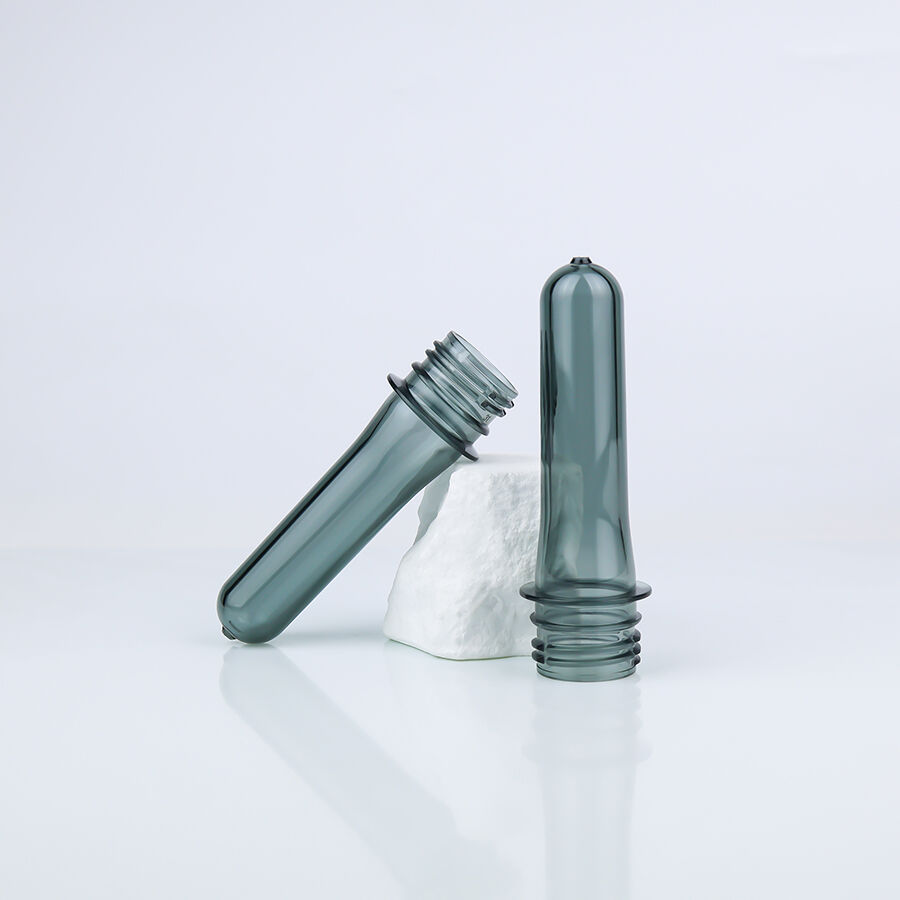
La qualità dei preforme in PET costituisce la base per una produzione di bottiglie di successo, determinando direttamente l’integrità strutturale, la trasparenza e le caratteristiche prestazionali del contenitore finale.
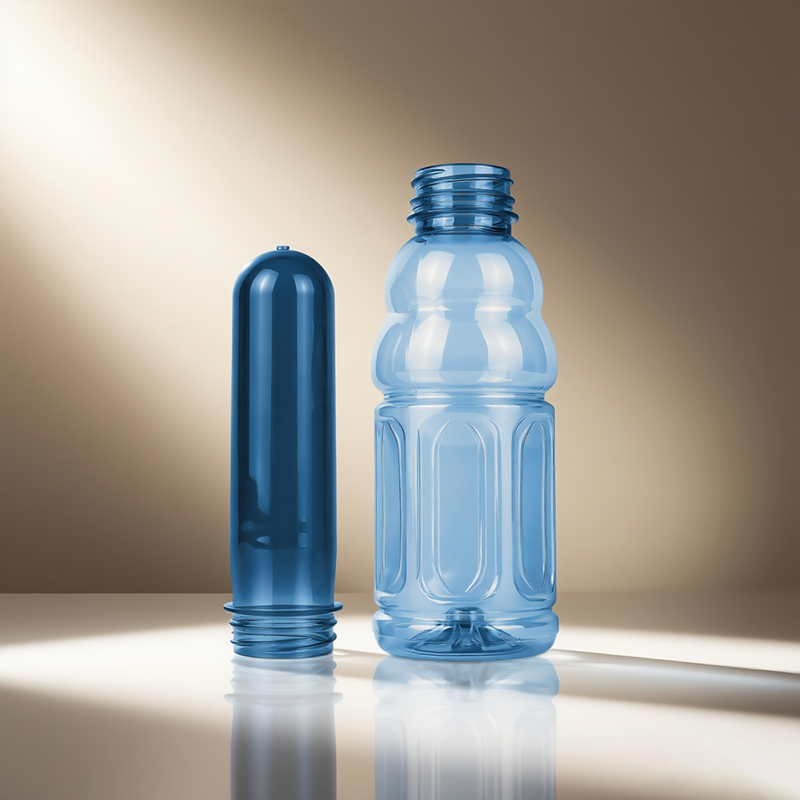
Comprendere la correlazione diretta tra le caratteristiche delle preforme e le prestazioni delle bottiglie consente ai produttori di ottimizzare i propri processi produttivi, ridurre i difetti e garantire una qualità costante dei contenitori. La struttura molecolare, la storia termica e la precisione dimensionale stabilite durante la stampa a iniezione delle preforme influenzano l’intero processo di soffiatura, definendo infine se le bottiglie rispettano gli elevati standard di settore per bevande gassate, acqua, succhi e altri prodotti confezionati.
Cruciali Preformato Parametri di qualità
Distribuzione del materiale e uniformità dello spessore della parete
Uno spessore uniforme della parete nei preforma in PET si traduce direttamente in prestazioni costanti della bottiglia durante il processo di soffiatura per stiramento. Quando le pareti dei preforma presentano variazioni di spessore superiori alle tolleranze industriali, le bottiglie risultanti sviluppano punti deboli che compromettono l’integrità strutturale sotto pressione. Queste variazioni generano zone di concentrazione dello sforzo che possono causare un guasto prematuro della bottiglia, in particolare nelle applicazioni per bevande gassate, dove la pressione interna raggiunge 4–6 bar.
Il rapporto tra distribuzione dello spessore della parete del preforma e prestazioni della bottiglia diventa critico negli ambienti produttivi ad alto volume. I produttori che monitorano La qualità dei preforma in PET segnalano riduzioni significative degli scarti di bottiglie mantenendo le tolleranze dello spessore della parete entro ±0,1 mm su tutta la superficie del corpo del preforma. Questa precisione influisce direttamente sull’efficienza del processo di soffiatura e sulle specifiche finali del contenitore.
Livelli di cristallinità e orientamento molecolare
Il livello di cristallinità stabilito durante il raffreddamento del preforma influenza in modo significativo la trasparenza della bottiglia e le sue proprietà meccaniche. Una cristallizzazione eccessiva genera opacità e riduce la trasparenza, mentre una cristallizzazione insufficiente compromette le proprietà barriera essenziali per la durata a scaffale del prodotto. Livelli ottimali di cristallinità compresi tra il 30% e il 35% garantiscono che le bottiglie mantengano il loro appeal visivo pur offrendo una protezione adeguata contro la trasmissione di ossigeno e anidride carbonica.
I modelli di orientamento molecolare fissati nel preforma durante la stampa a iniezione influenzano i rapporti di allungamento durante la formazione della bottiglia. Preforme con un orientamento molecolare non uniforme producono bottiglie con resistenza circonferenziale variabile, causando instabilità dimensionale e potenziale rottura sotto sollecitazione termica. I sistemi di controllo qualità per la valutazione della qualità dei preforma in PET devono analizzare sia i parametri di cristallinità sia quelli di orientamento per prevedere con precisione le prestazioni della bottiglia.
Storia termica e condizioni di processo
Il profilo termico subito durante la produzione dei preforma costituisce la base per un’operazione di soffiatura delle bottiglie efficace. I preforma sottoposti a eccessivo stress termico presentano una ridotta capacità di allungamento, con conseguente formazione di bottiglie con distribuzione non uniforme della parete e caratteristiche prestazionali compromesse. I gradienti di temperatura durante il raffreddamento influenzano la capacità del preforma di raggiungere rapporti di allungamento uniformi durante la soffiatura.
Le condizioni di processo — tra cui la velocità di iniezione, la pressione di mantenimento e il tempo di raffreddamento — influenzano direttamente lo stato di tensione interna dei preforma finiti. Questi parametri determinano come i preforma reagiscono al riscaldamento e all’allungamento durante la produzione delle bottiglie, incidendo sia sulle proprietà meccaniche sia sulla stabilità dimensionale dei contenitori finali.
Implicazioni sulle prestazioni strutturali
Resistenza alla pressione e integrità del contenitore
I preforme in PET di alta qualità consentono alle bottiglie di resistere a pressioni interne comprese tra 6 e 8 bar per bevande gassate, senza compromettere la loro integrità strutturale. La distribuzione dello spessore della parete e l’omogeneità del materiale della preforma determinano direttamente la capacità della bottiglia di mantenere tali livelli di pressione per tutta la durata del suo ciclo di vita. Difetti nella qualità delle preforme in PET si manifestano come guasti legati alla pressione durante le operazioni di riempimento, tappatura o stoccaggio.
L’integrità del contenitore dipende dalla capacità della preforma di raggiungere un’orientazione biaxiale uniforme durante la soffiatura. Quando le preforme presentano variazioni qualitative, le bottiglie sviluppano punti di concentrazione tensionale che diventano sedi di innesco del guasto sotto cicli di pressione. Questa relazione tra coerenza della preforma e durabilità della bottiglia rende necessario un rigoroso controllo qualità lungo tutto il processo di stampaggio ad iniezione.
Resistenza agli urti e prestazioni in caduta
La resistenza agli urti delle bottiglie finite è direttamente correlata alla struttura molecolare stabilita nei preforma in PET durante la produzione. I preforma con livelli ottimali di cristallinità e orientamento molecolare uniforme producono bottiglie in grado di resistere a prove di caduta da altezze superiori a 1,2 metri senza rottura catastrofica. Questa caratteristica prestazionale diventa fondamentale per le applicazioni commerciali, dove le bottiglie subiscono sollecitazioni meccaniche durante la distribuzione.
Le variazioni qualitative dei preforma generano zone localmente deboli che compromettono la resistenza complessiva alle sollecitazioni d’urto delle bottiglie. I dati produttivi dimostrano che il mantenimento di parametri qualitativi costanti nei preforma in PET riduce fino al 40% il tasso di rottura delle bottiglie durante il trasporto, migliorando significativamente l’efficienza della catena di approvvigionamento e riducendo le perdite di prodotto.
Proprietà barriera e protezione del prodotto
Caratteristiche di trasmissione dei gas
La qualità dei preformati in PET influenza direttamente le proprietà barriera essenziali per mantenere l’integrità del prodotto durante la conservazione. La struttura cristallina e l’orientamento molecolare stabiliti durante la produzione dei preformati determinano i tassi di trasmissione dell’ossigeno, che incidono sulla durata a scaffale del prodotto. Le bevande gassate richiedono bottiglie con tassi di permeabilità alla CO₂ inferiori a 15 cc/bottiglia/giorno per mantenere livelli accettabili di carbonatazione per tutta la durata prevista a scaffale.
Le variazioni nelle condizioni di lavorazione dei preformati influenzano lo sviluppo delle proprietà barriera durante la formatura delle bottiglie. I preformati con una storia termica non uniforme producono bottiglie con tassi di trasmissione dei gas variabili, causando prestazioni del prodotto imprevedibili e potenziali reclami sulla qualità. Il controllo rigoroso della qualità dei preformati in PET garantisce prestazioni barriera costanti su tutti i cicli produttivi.
Protezione dai raggi UV e stabilità alla luce
La chiarezza e le caratteristiche di protezione contro i raggi UV delle bottiglie finite dipendono dalla struttura cristallina stabilita durante la produzione dei preforma. Preforma di alta qualità mantengono un’ottimale trasparenza, garantendo al contempo una protezione adeguata contro il degrado indotto dalla luce dei prodotti sensibili. Questo equilibrio richiede un controllo preciso delle velocità di raffreddamento e dei modelli di cristallizzazione durante il processo di stampaggio ad iniezione.
Preforma che presentano variazioni qualitative producono bottiglie con proprietà di trasmissione della luce non uniformi, influenzando l’aspetto e la stabilità del prodotto. La relazione tra i parametri di lavorazione dei preforma e le proprietà ottiche finali delle bottiglie richiede un monitoraggio continuo per garantire una protezione costante del prodotto lungo l’intera catena di approvvigionamento.
Efficienza di lavorazione e ottimizzazione della produzione
Coerenza delle prestazioni nello stampaggio a soffiaggio
Una qualità costante dei preformati in PET consente operazioni stabili di soffiatura con tempi di ciclo ridotti e maggiore efficienza produttiva. I preformati che rispettano rigorose specifiche dimensionali e di proprietà del materiale richiedono aggiustamenti minimi del processo durante la produzione delle bottiglie, garantendo tassi di output costanti e riducendo i costi operativi. Le variazioni qualitative impongono frequenti regolazioni delle macchine, con conseguente diminuzione dell’efficacia complessiva delle attrezzature.
Il rapporto tra qualità dei preformati ed efficienza della soffiatura assume particolare importanza negli ambienti produttivi ad alta velocità. I produttori segnalano miglioramenti della produttività del 15-20% utilizzando preformati conformi a specifiche di qualità migliorate, dimostrando l’impatto economico del controllo qualità a monte sulle operazioni a valle.
Tassi di rifiuto e garanzia della qualità
Una qualità superiore dei preform in PET riduce in modo significativo i tassi di scarto delle bottiglie durante i processi produttivi e di controllo qualità. Le caratteristiche costanti dei preform minimizzano le variazioni nelle dimensioni, nello spessore della parete e nelle proprietà prestazionali delle bottiglie, che sono causa di difetti qualitativi. Questa riduzione degli scarti influisce direttamente sui costi di produzione e sull’efficienza nell’utilizzo delle risorse.
I sistemi di garanzia della qualità che monitorano le caratteristiche dei preform consentono un controllo predittivo delle prestazioni delle bottiglie, permettendo ai produttori di identificare e correggere tempestivamente eventuali problemi prima che questi compromettano la qualità del prodotto finale. Questo approccio proattivo riduce la necessità di eseguire test estesi sul prodotto finito, garantendo al contempo prestazioni costanti del contenitore.
Prestazioni a lungo termine e durata di conservazione
Resistenza alle crepe da sollecitazione e durabilità
La durata a lungo termine delle bottiglie in PET dipende fortemente dallo stato di sollecitazione e dalla struttura molecolare stabiliti durante la produzione del preforma. Preforme di alta qualità producono bottiglie con una maggiore resistenza alle crepe da sollecitazione ambientale, mantenendo l’integrità strutturale per tutta la durata di conservazione prolungata e in presenza di variazioni di temperatura. Questa caratteristica di durata diventa fondamentale per i prodotti che richiedono una lunga vita a scaffale.
Le crepe da sollecitazione ambientale originano spesso da difetti di qualità presenti nel preforma originale, che generano punti di concentrazione delle sollecitazioni nella bottiglia finita. Il rigoroso controllo dei parametri di qualità del preforma in PET impedisce che tali difetti si propaghino lungo il processo produttivo e compromettano le prestazioni a lungo termine della bottiglia.
Stabilità dimensionale e mantenimento della forma
Le bottiglie prodotte da preforme di alta qualità mantengono la stabilità dimensionale in condizioni di stoccaggio variabili, preservando la loro forma prevista e le caratteristiche funzionali. L’orientamento molecolare e la struttura cristallina stabilite durante la produzione delle preforme resistono alla deformazione causata dai cicli termici e dagli sforzi meccanici riscontrati durante la normale manipolazione e conservazione.
Le capacità di mantenimento della forma influenzano direttamente l’adesione dell’etichetta, la stabilità nello stacking e l’aspetto complessivo dell’imballaggio durante l’intero ciclo di vita del prodotto. Una qualità costante delle preforme in PET garantisce che le bottiglie mantengano le specifiche di progettazione, supportando l’immagine del marchio e i requisiti funzionali in condizioni di mercato diversificate.
Domande frequenti
Quali difetti specifici delle preforme causano più comunemente problemi nelle prestazioni delle bottiglie?
I difetti più critici del preforma che influenzano le prestazioni della bottiglia includono una distribuzione non uniforme dello spessore della parete, residui eccessivi del punto di immissione (gate) che generano punti di sollecitazione, cristallizzazione incompleta che provoca opacità e variazioni dimensionali superiori alle tolleranze di ±0,05 mm. Questi difetti si traducono direttamente in bottiglie con resistenza alla pressione ridotta, trasparenza compromessa e modalità di rottura imprevedibili durante le operazioni di riempimento o stoccaggio.
In che modo lo stoccaggio e la manipolazione dei preforma influenzano la qualità finale della bottiglia?
Uno stoccaggio improprio dei preforma può influire significativamente sulle prestazioni della bottiglia a causa dell’assorbimento di umidità, dei cicli termici e dei danni meccanici. I preforma esposti a livelli di umidità superiori al 65% possono presentare difficoltà di lavorazione durante il riscaldamento, mentre le fluttuazioni di temperatura possono alterare la struttura cristallina e influenzare le caratteristiche di soffiatura. Uno stoccaggio adeguato, effettuato a temperatura e umidità controllate, preserva la qualità dei preforma in PET fino alla produzione delle bottiglie.
Quali metodi di prova prevedono in modo più efficace le prestazioni della bottiglia a partire dalle caratteristiche del preforma?
Una prova efficace del preforma combina la misurazione dimensionale, la verifica del peso, l’analisi della cristallinità mediante tecniche DSC e la profilatura dello spessore della parete mediante metodi ultrasonici. La prova di pressione di scoppio su bottiglie campione prodotte dai preforma sottoposti a prova fornisce una correlazione diretta tra i parametri di qualità del preforma e le prestazioni finali del contenitore, consentendo un controllo qualità predittivo lungo l’intero processo produttivo.
Le variazioni nella qualità del preforma possono essere corrette durante la produzione delle bottiglie?
Sebbene alcune lievi variazioni del preforma possano essere compensate mediante opportuni aggiustamenti dei parametri di soffiatura, problemi fondamentali di qualità come l’uniformità dello spessore della parete, i livelli di cristallinità e l’orientamento molecolare non possono essere corretti a valle. L’approccio più efficace consiste nel mantenere rigorosi standard di qualità per le preforme in PET durante la stampa a iniezione, anziché tentare di compensare tali difetti durante la produzione delle bottiglie, garantendo così prestazioni costanti del contenitore ed efficienza produttiva.
Indice
- Cruciali Preformato Parametri di qualità
- Implicazioni sulle prestazioni strutturali
- Proprietà barriera e protezione del prodotto
- Efficienza di lavorazione e ottimizzazione della produzione
- Prestazioni a lungo termine e durata di conservazione
-
Domande frequenti
- Quali difetti specifici delle preforme causano più comunemente problemi nelle prestazioni delle bottiglie?
- In che modo lo stoccaggio e la manipolazione dei preforma influenzano la qualità finale della bottiglia?
- Quali metodi di prova prevedono in modo più efficace le prestazioni della bottiglia a partire dalle caratteristiche del preforma?
- Le variazioni nella qualità del preforma possono essere corrette durante la produzione delle bottiglie?