EN
EN

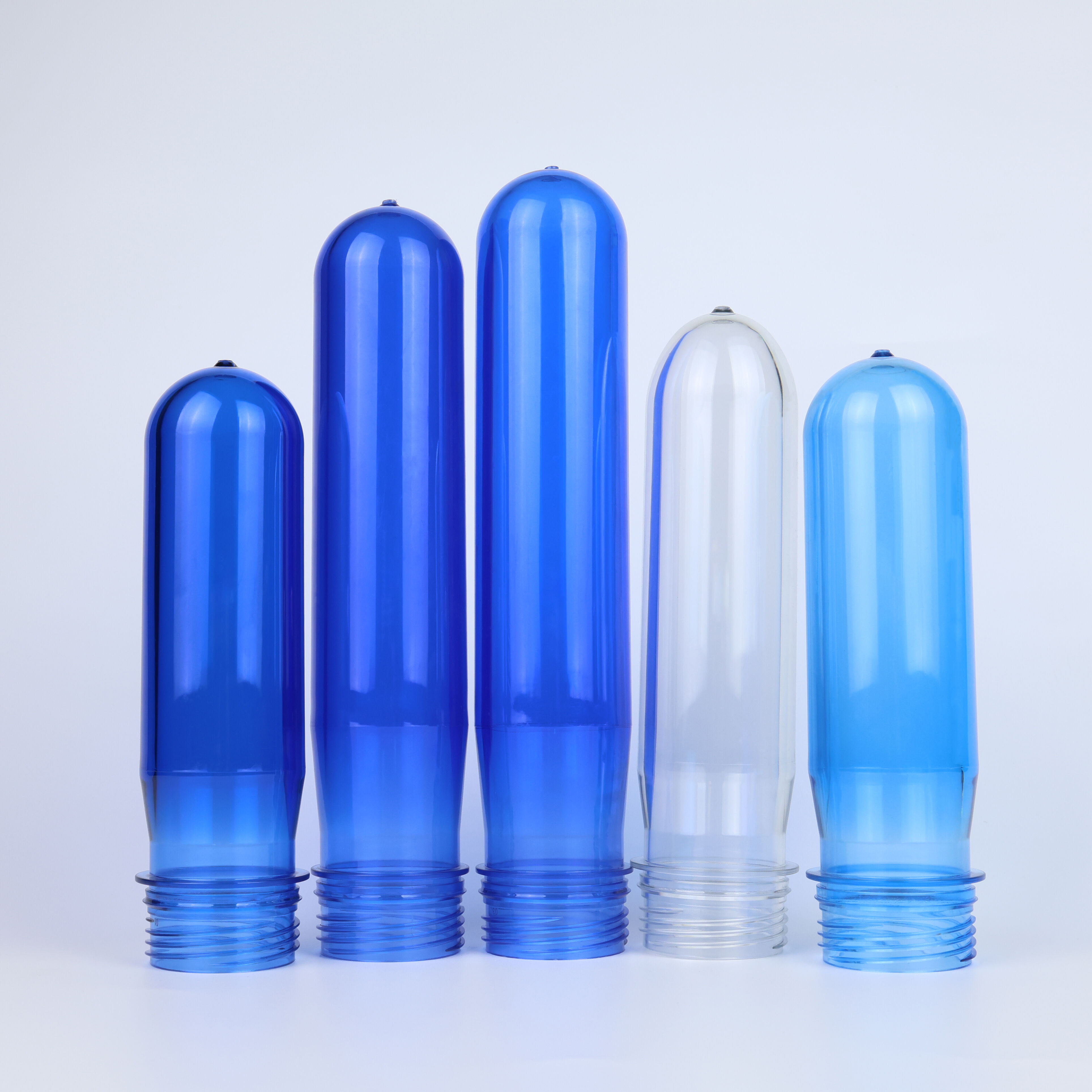
Every day, billions of plastic bottles are consumed worldwide, from water bottles to soft drink containers. Behind each of these familiar products lies a sophisticated manufacturing process that begins with a small, test tube-shaped component called a PET preform. Understanding how these bottles are made reveals the intricate engineering and technology that transforms raw materials into the containers we rely on daily. The journey from PET preform to finished bottle involves precise heating, stretching, and molding processes that ensure durability, safety, and functionality.
Understanding PET Preforms and Their Role in Bottle Production
What Makes PET Preforms Essential
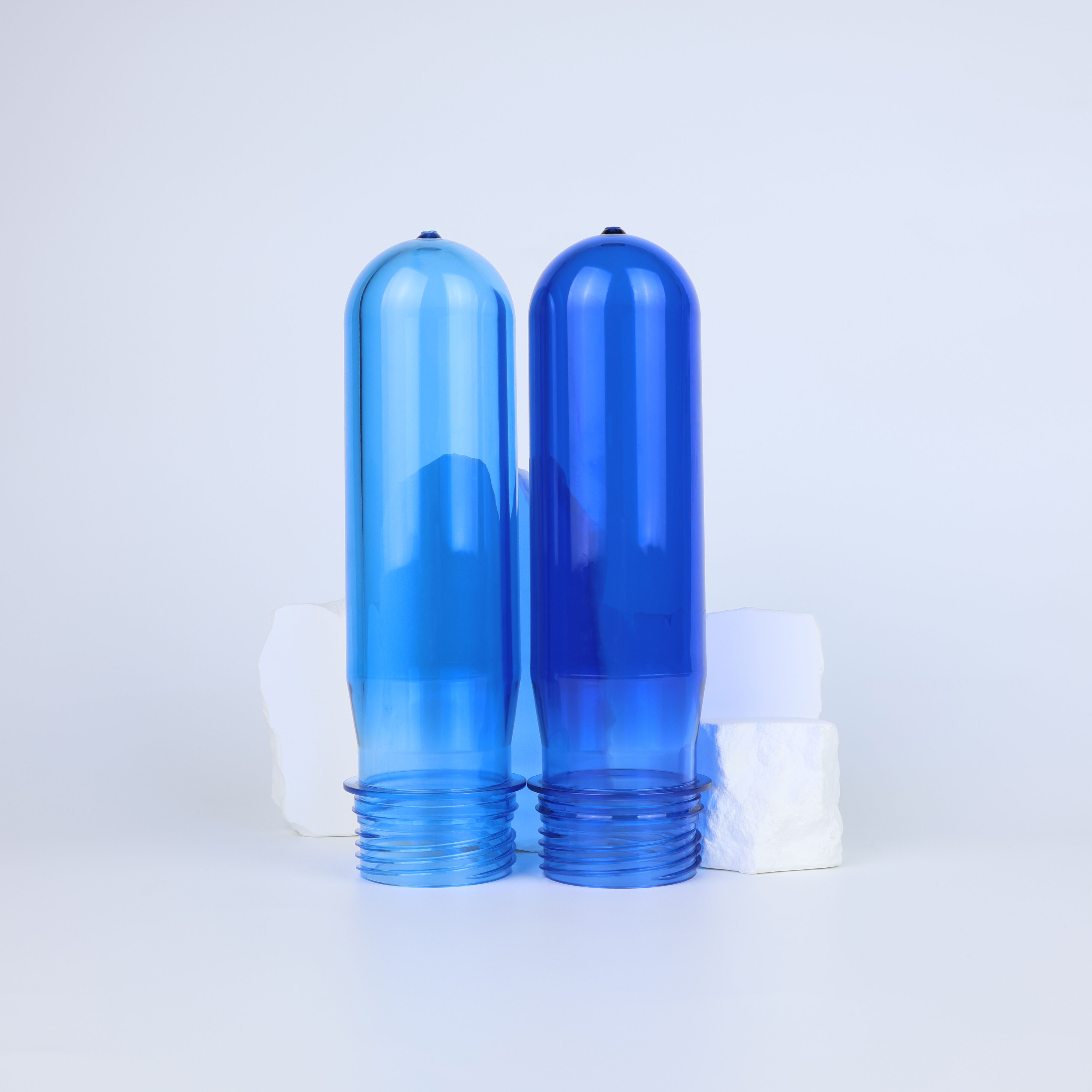
A PET preform serves as the foundation for plastic bottle manufacturing, resembling a thick-walled test tube with the bottle's final neck and threading already formed. These preforms are created through injection molding using polyethylene terephthalate (PET) resin, a thermoplastic polymer known for its clarity, strength, and recyclability. The PET preform design incorporates the exact dimensions needed for the final bottle neck, ensuring proper cap fit and seal integrity. Manufacturing facilities rely on these preforms because they can be produced separately from the blow molding process, allowing for efficient storage and transportation.
The standardization of PET preform specifications enables beverage companies to maintain consistent quality across different production facilities. Each preform contains precisely measured amounts of PET material that will be distributed throughout the final bottle during the stretching process. Quality control measures during preform production include weight verification, dimensional accuracy checks, and visual inspections to ensure defect-free components. The neck finish of each PET preform must meet exact tolerances to guarantee proper closure application and prevent leakage issues in the finished product.
Material Properties and Performance Characteristics
PET material offers exceptional properties that make it ideal for beverage packaging applications. The polymer chains in a PET preform provide excellent barrier properties against carbon dioxide and oxygen, helping preserve product freshness and extend shelf life. During the heating and stretching process, these molecular chains become oriented in both the circumferential and axial directions, significantly improving the mechanical strength of the final bottle. This biaxial orientation also enhances the clarity and reduces the material thickness required for adequate performance.
Temperature resistance represents another critical advantage of PET preforms in bottle manufacturing. The material can withstand the heat generated during the blow molding process while maintaining its structural integrity throughout cooling. Additionally, PET demonstrates excellent chemical compatibility with various beverages, including carbonated drinks, juices, and water, without imparting taste or odor to the contents. The recyclability of PET preforms supports environmental sustainability initiatives, as the bottles produced can be collected, processed, and converted back into new preforms or other products.
The Injection Molding Process for Preform Manufacturing
Raw Material Preparation and Processing
The production of high-quality PET preforms begins with careful preparation of virgin PET resin or recycled PET flakes. Raw materials undergo drying processes to remove moisture content, which could otherwise cause defects during injection molding. The dried PET is fed into extruders where it is melted and homogenized to ensure consistent material properties throughout each preform. Colorants or additives may be incorporated during this stage to achieve specific bottle characteristics or UV protection requirements.
Temperature control during material processing is crucial for maintaining optimal flow properties and preventing thermal degradation of the PET polymer. Modern injection molding systems utilize precise temperature profiles across multiple heating zones to achieve uniform melt quality. The molten PET is then pressurized and prepared for injection into the preform molds, where cavity design determines the final preform dimensions and wall thickness distribution. Proper material preparation directly impacts the quality of the subsequent blow molding process and final bottle performance.
Mold Design and Injection Parameters
Injection molds for PET preform production feature multiple cavities to maximize production efficiency, with some systems producing up to 144 preforms simultaneously. Each cavity incorporates cooling channels to rapidly solidify the molten PET and minimize cycle times. The mold design includes specific geometries for the bottle neck threads, finish dimensions, and body profile that will later be expanded during blow molding. Gate design and placement affect material flow patterns and potential stress concentrations in the finished preform.
Injection parameters such as pressure, speed, and hold time must be optimized for each PET preform design and material combination. Higher injection pressures ensure complete mold filling and minimize sink marks or voids, while controlled injection speeds prevent jetting or flow marks. The hold pressure phase compensates for material shrinkage during cooling, maintaining dimensional accuracy and preventing internal stresses that could affect subsequent processing. Cooling time represents a significant portion of the overall cycle time and must be balanced against production rate requirements.
Stretch Blow Molding Technology and Process Control
Reheat and Conditioning Systems
The transformation from PET preform to finished bottle occurs through stretch blow molding, which begins with precise reheating of the preform to optimal processing temperatures. Infrared heating systems warm the preform body while maintaining the neck area at lower temperatures to preserve thread integrity and dimensional accuracy. Temperature profiling ensures uniform heating throughout the preform wall thickness, preventing hot spots that could cause material degradation or thin areas in the final bottle. Modern reheat systems incorporate multiple heating zones with independent temperature control to accommodate different preform designs and bottle requirements.
Preform conditioning involves rotating the components during heating to achieve circumferential temperature uniformity. The conditioning process must account for variations in preform wall thickness and material distribution to ensure consistent stretching behavior. Temperature measurement systems monitor surface temperatures and adjust heating parameters in real-time to maintain optimal processing conditions. Proper conditioning of each PET preform is essential for achieving uniform bottle wall thickness and preventing defects such as stress whitening or dimensional variations.
Stretching and Blowing Operations
The stretch blow molding process combines axial stretching with radial expansion to transform the heated PET preform into its final bottle shape. A stretch rod extends into the preform and pulls the material downward while high-pressure air inflates the softened PET against the bottle mold walls. This biaxial orientation significantly improves the mechanical properties and barrier characteristics of the finished bottle compared to unoriented material. The stretching sequence must be precisely timed to achieve optimal molecular orientation without causing material failure or uneven thickness distribution.
Blow pressure profiles typically involve multiple stages, beginning with low-pressure pre-blow to initiate expansion followed by high-pressure final blow to achieve complete mold contact. The pressure and timing parameters directly influence bottle clarity, wall thickness distribution, and top-load strength. Advanced blow molding systems incorporate pressure feedback control to compensate for variations in material properties or environmental conditions. Proper coordination between stretching and blowing operations ensures that each PET preform produces a bottle meeting all quality specifications and performance requirements.
Quality Control and Testing Procedures
Dimensional Accuracy and Visual Inspection
Comprehensive quality control measures ensure that both PET preforms and finished bottles meet stringent industry standards and customer specifications. Dimensional measurements verify that preform neck finishes, body diameters, and wall thicknesses fall within acceptable tolerances. Automated inspection systems utilize vision technology to detect surface defects, gate vestiges, or contamination that could affect bottle performance or appearance. Weight verification confirms that each preform contains the correct amount of material for proper bottle formation and wall thickness distribution.
Visual inspection protocols identify potential defects such as black specks, splay marks, or gate blush that could impact bottle clarity or structural integrity. Color matching ensures consistency across production batches and compliance with brand specifications. Neck finish inspections verify thread dimensions, ovality, and surface finish to guarantee proper closure application and seal performance. Statistical process control methods track quality trends and enable proactive adjustments to maintain consistent product quality throughout production runs.
Performance Testing and Validation
Mechanical testing of bottles produced from PET preforms includes top-load compression, impact resistance, and environmental stress crack resistance evaluations. These tests validate that the biaxial orientation achieved during stretch blow molding provides adequate strength for handling, transportation, and storage requirements. Barrier property testing measures carbon dioxide retention and oxygen permeation rates to confirm shelf-life performance for different beverage applications. Burst pressure testing ensures that bottles can withstand internal pressures from carbonated products without failure.
Thermal performance testing evaluates bottle behavior under various temperature conditions that may be encountered during filling, storage, or distribution. Migration testing confirms that PET preform materials comply with food contact regulations and do not transfer harmful substances to beverage contents. Accelerated aging studies predict long-term performance and identify potential degradation mechanisms that could affect product quality over time. These comprehensive testing programs provide confidence that bottles produced from each batch of PET preforms will perform reliably throughout their intended service life.
Environmental Considerations and Sustainability
Recycling and Circular Economy Integration
The recyclability of PET preforms and bottles plays a crucial role in sustainable packaging strategies and waste reduction initiatives. Collection and sorting systems separate PET bottles from other packaging materials, enabling efficient processing into recycled content for new preform production. Chemical recycling technologies break down used PET into its constituent monomers, which can then be repolymerized into virgin-quality material. Mechanical recycling processes clean, shred, and melt used bottles to produce recycled PET flakes suitable for incorporation into new preforms.
Closed-loop recycling systems allow beverage companies to incorporate recycled content into their PET preform supply chains while maintaining product quality and performance standards. Design for recycling principles guide preform and bottle development to maximize end-of-life recovery rates and minimize contamination during processing. Life cycle assessments compare the environmental impacts of different recycling scenarios and identify optimization opportunities. Industry collaboration on recycling infrastructure development supports higher collection rates and more efficient processing of PET preforms and bottles.
Lightweighting and Material Optimization
Ongoing innovations in PET preform design focus on reducing material usage while maintaining or improving bottle performance characteristics. Lightweighting initiatives utilize advanced modeling and simulation tools to optimize wall thickness distribution and identify areas where material can be reduced without compromising functionality. These efforts decrease the environmental footprint of each bottle while reducing raw material costs and transportation impacts. Finite element analysis predicts bottle performance under various loading conditions and guides design modifications for weight reduction.
Material optimization strategies explore the use of bio-based PET content in preform production, reducing dependence on fossil fuel-derived raw materials. Plant-based feedstocks can be processed into PET monomers that exhibit identical properties to conventional materials while offering improved sustainability credentials. Additive technologies enhance PET preform performance, potentially enabling further material reductions or improved barrier properties. Collaborative research between preform manufacturers, bottle producers, and beverage companies drives continuous improvement in sustainability metrics and environmental performance.
FAQ
What is the typical production time for converting a PET preform into a finished bottle
The conversion of a PET preform into a finished bottle through stretch blow molding typically takes between 6 to 15 seconds, depending on the bottle size and complexity. The process includes preform reheating (3-8 seconds), stretching and blowing (1-3 seconds), and cooling (2-4 seconds). Modern high-speed blow molding machines can produce up to 2,400 bottles per hour per mold cavity, making this an extremely efficient manufacturing process for large-scale beverage production.
How does the wall thickness of a PET preform affect the final bottle quality
The wall thickness distribution of a PET preform directly impacts the final bottle's performance characteristics and material distribution. Thicker preform walls provide more material for stretching, resulting in stronger bottle walls and better top-load strength. However, excessive thickness can lead to uneven heating during reheating and poor stretch ratios. Optimal preform design balances wall thickness to ensure uniform material distribution in the final bottle while minimizing total material usage and maintaining structural integrity throughout the container.
What quality defects can occur during PET preform production and how are they prevented
Common quality defects in PET preform production include gate vestiges, contamination, dimensional variations, and optical defects such as haze or color variations. These defects are prevented through proper material drying, optimized injection molding parameters, regular mold maintenance, and comprehensive quality control systems. Automated inspection equipment detects visual defects, while precise process control maintains consistent dimensions and material properties. Proper gate design and post-molding trimming operations minimize gate-related defects that could affect subsequent bottle production.
Can recycled PET material be used in preform manufacturing without quality compromise
Yes, recycled PET material can be successfully incorporated into preform manufacturing when properly processed and blended with virgin material. Food-grade recycled PET undergoes extensive cleaning and decontamination processes to meet safety standards for beverage packaging applications. Typical recycled content levels range from 25% to 100%, depending on the application requirements and regulatory approvals. Advanced recycling technologies, including chemical recycling, can produce recycled PET with properties identical to virgin material, enabling high recycled content percentages without quality compromise in the resulting PET preforms and bottles.
Table of Contents
- Understanding PET Preforms and Their Role in Bottle Production
- The Injection Molding Process for Preform Manufacturing
- Stretch Blow Molding Technology and Process Control
- Quality Control and Testing Procedures
- Environmental Considerations and Sustainability
-
FAQ
- What is the typical production time for converting a PET preform into a finished bottle
- How does the wall thickness of a PET preform affect the final bottle quality
- What quality defects can occur during PET preform production and how are they prevented
- Can recycled PET material be used in preform manufacturing without quality compromise