EN
EN

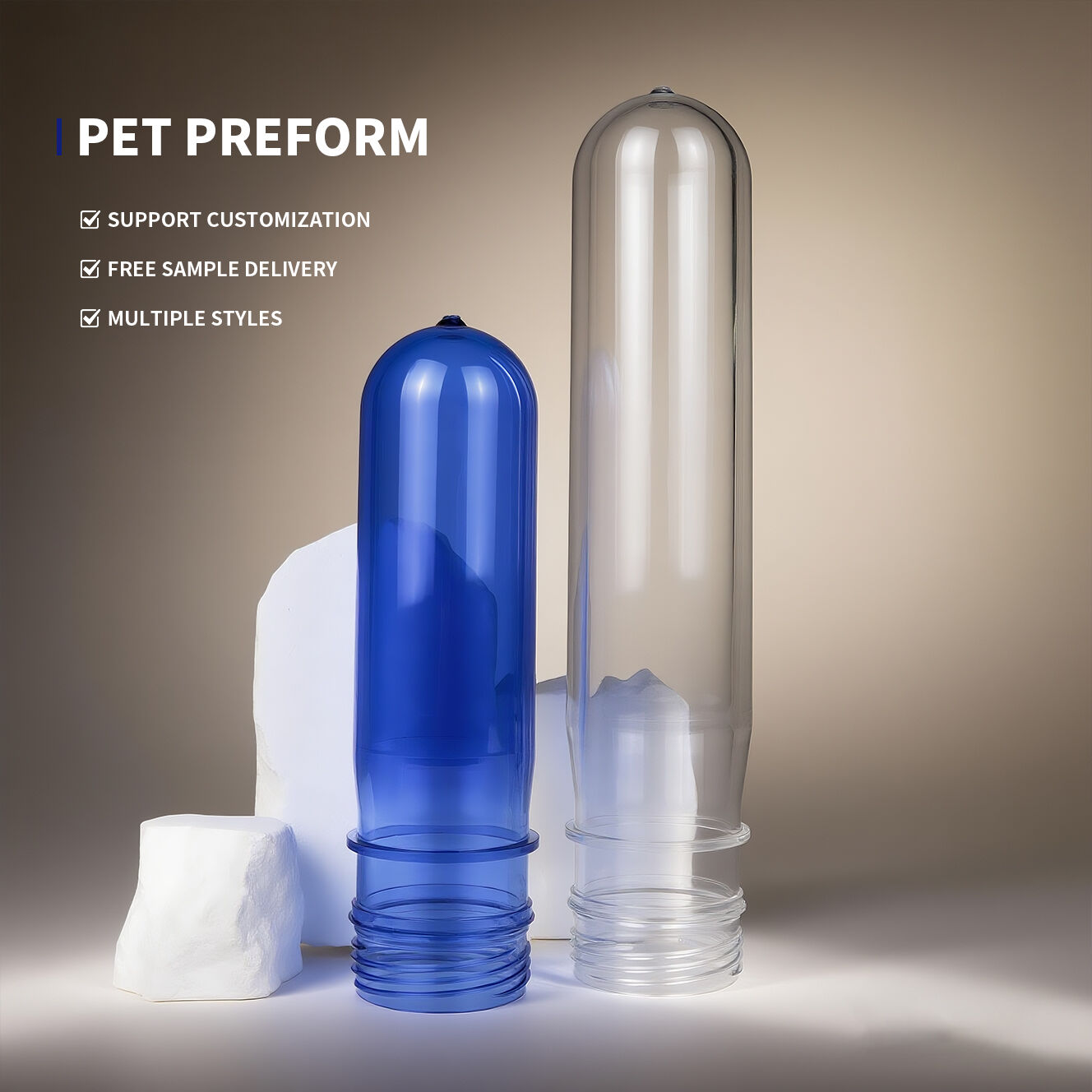
Moderne drankafvullijnen zijn afhankelijk van een geavanceerd productieproces dat al lang begint voordat het eindproduct de schappen van de consument bereikt. In het hart van dit proces ligt een cruciaal onderdeel dat als basis dient voor elke plastic drankverpakking: preforms. Deze nauwkeurig geconstrueerde plastic onderdelen vormen de eerste stap bij het maken van flessen die alles bevatten, van water en frisdrank tot sap en energiedranken die consumenten dagelijks kopen.
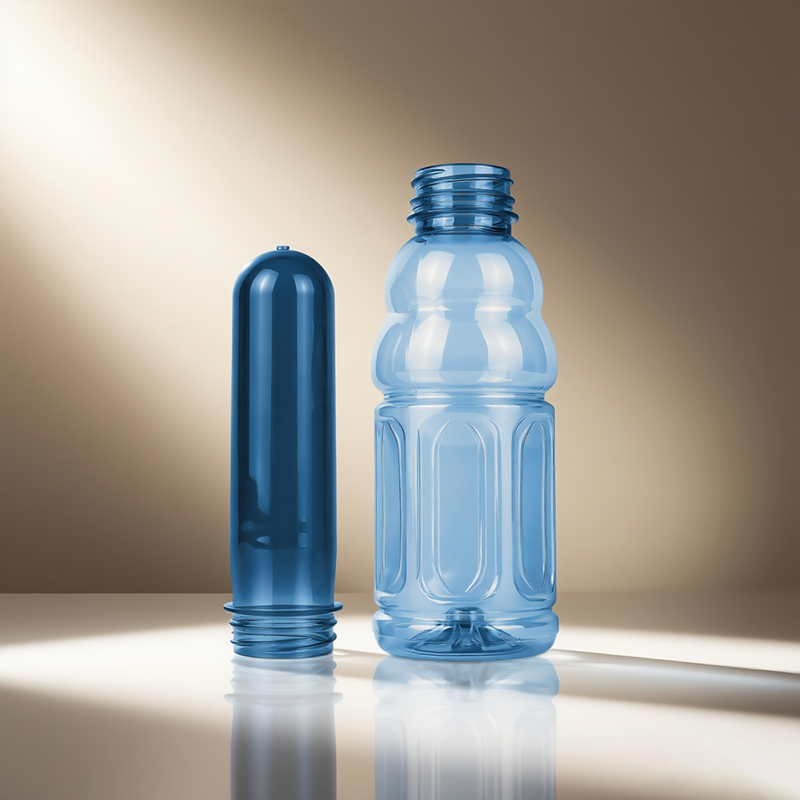
Het begrijpen van de rol van preforms in de productie van dranken biedt cruciaal inzicht in hoe de sector de enorme schaal, consistente kwaliteit en kosten-efficiëntie bereikt die nodig zijn om aan de wereldwijde vraag van consumenten te voldoen. Deze kleine, maar essentiële componenten ondergaan een opmerkelijk transformatieproces waardoor ze worden omgezet in de vertrouwde flessen die wereldwijd in retailomgevingen te vinden zijn, waardoor ze onmisbaar zijn voor de moderne drankenproductie-infrastructuur.
De primaire functie van preforms in de drankenproductie
Tussenproductiefase
Preforms vormen de tussenstap in het productieproces tussen grondstoffen van kunststof en eindproducten in de vorm van drankflessen. Deze onderdelen worden vervaardigd via spuitgietprocessen, waarbij polyethyleentereftalaat (PET)-hars wordt omgevormd tot nauwkeurig gevormde buisvormige lichamen met schroefdraadnoden. De preforms behouden de exacte specificaties die nodig zijn voor het uiteindelijke flesontwerp, inclusief het schroefdraadpatroon, de afmetingen van de hals en de verdeling van de wanddikte, die tijdens het daaropvolgende blaasgietproces worden uitgerekt en uitgebreid.
De spuitgietfase stelt fabrikanten in staat om voorvormen te produceren met uitzonderlijke dimensionale nauwkeurigheid en materiaalconsistentie. Elke voorvorm bevat precies de hoeveelheid kunststof die nodig is voor de eindfles, verdeeld op een manier die zorgt voor een gelijkmatige wanddikte en structurele integriteit zodra de uitrek-blaasvorming plaatsvindt. Deze gecontroleerde materiaalverdeling is cruciaal voor het behoud van de prestatiekenmerken van de fles en voor het verminderen van materiaalafval gedurende de productiecyclus.
Kwaliteitscontrolebasis
De kwaliteitscontrole begint bij de voorvormfase, waar producenten de basis leggen voor alle volgende prestatiekenmerken van de fles. Het spuitgietproces biedt nauwkeurige controle over de materiaaleigenschappen, waaronder helderheid, UV-bestendigheid en barrièreeigenschappen, die in de eindfles behouden blijven. Voorvormen ondergaan een strenge inspectie op afmetingsnauwkeurigheid, materiaalverdeling en oppervlakkwaliteit om te garanderen dat ze voldoen aan de strenge eisen van moderne drankenflessenproductie.
Het afzonderlijk produceren van voorvormen ten opzichte van de eindflesproductie stelt flessenfabrieken in staat om uitgebreide kwaliteitsborgingsprotocollen toe te passen in meerdere fasen. Elke partij voorvormen kan worden getest op materiaalintegriteit, naleving van afmetingen en prestatiekenmerken voordat deze de flesvormingsfase ingaat, waardoor het risico op defecte verpakkingen die de vulfase bereiken, aanzienlijk wordt verminderd.
Integratie van productieproces
Specificaties voor spuitgieten
De productie van preforms maakt gebruik van geavanceerde spuitgiettechnologie waarmee PET-granulaten worden omgezet in nauwkeurig gevormde onderdelen. Productiefaciliteiten maken gebruik van multi-cavity mallen die tientallen preforms tegelijkertijd kunnen produceren, wat een consistente kwaliteit waarborgt en tegelijkertijd de hoge productievolumes levert die vereist zijn voor moderne drankproductiebedrijven. Bij het spuitgietproces wordt zorgvuldig gecontroleerd op temperatuur, druk en koelcycli om optimale materiaaleigenschappen en dimensionale stabiliteit te bereiken.
Temperatuurregeling tijdens het spuitgietproces is cruciaal voor het vervaardigen van preforms met de juiste moleculaire oriëntatie en helderheidseigenschappen. Het gesmolten PET-materiaal moet worden verwarmd tot specifieke temperaturen die een volledige vulling van de matrijsruimte mogelijk maken, terwijl thermische degradatie wordt voorkomen die de flesprestaties zou kunnen aantasten. Koelcycli zijn nauwkeurig getimed om een juiste kristallisatie en spanningstherapie te garanderen, waardoor preforms ontstaan die voorspelbaar zullen reageren tijdens de daaropvolgende stretch-blow-molding-transformatie.
Materiaalverdelingsengineering
Ingenieurs ontwerpen voorvormen met een strategische materiaalverdeling die rekening houdt met de rek en uitzetting die optreden tijdens de flesvorming. De wanddikte varieert over de lengte van de voorvorm, waarbij dikker gedeeltes worden geplaatst op locaties waar in het uiteindelijke flesontwerp extra materiaal nodig is. Deze ingenieus ontworpen verdeling zorgt voor een uniforme wanddikte in de voltooide fles, terwijl het materiaalgebruik en de productiekosten worden geminimaliseerd.
Het ontwerpproces van de voorvorm omvat complexe berekeningen om te voorspellen hoe het materiaal zal stromen en rekken tijdens de spuitgietoperatie. Computermodeleer- en eindige-elementanalyse helpen de geometrie van de voorvorm te optimaliseren, zodat de gewenste fleskenmerken worden bereikt zonder de structurele integriteit in gevaar te brengen. Deze technische aanpak stelt fabrikanten in staat om flessen te produceren met verschillende wanddikten, geoptimaliseerd voor specifieke prestatievereisten — van lichtgewicht waterflessen tot robuuste containers voor koolzuurhoudende dranken.
Spuitgietproces voor het vormen van flessen
Technologie voor uitrekkend spuitgieten
De omzetting van preforms in eindproducten (flessen) vindt plaats via de technologie voor uitrekkend spuitgieten, waarbij mechanisch uitrekken wordt gecombineerd met pneumatische expansie. De preforms worden verwarmd tot specifieke temperaturen waardoor het PET-materiaal buigzaam wordt, maar toch voldoende sterk blijft om de vormkrachten te weerstaan. De verwarmde preforms worden vervolgens in flesvormige mallen geplaatst, waar zij tegelijkertijd longitudinaal worden uitgerekt en radiaal worden uitgezet om de uiteindelijke vorm van de verpakking te verkrijgen.
Met de technologie van de stretch blow-gietvorm kunnen de afmetingen van de fles, de wanddikte en de oppervlakte-afwerking nauwkeurig worden gecontroleerd. De procesparameters, waaronder temperatuurprofielen, rekpercentages en blaasdruksequenties, kunnen worden aangepast om de bottelprestaties voor specifieke dranktoepassingen te optimaliseren. Deze flexibiliteit stelt fabrikanten in staat om met behulp van identieke preforms containers met verschillende kenmerken te produceren door de vormprocesparameters te wijzigen.
Prestatieoptimalisatie
De spuitgiettransformatie verbetert de prestatiekenmerken die zijn vastgesteld tijdens de productie van de voorvorm. De biaxiale oriëntatie die ontstaat tijdens het uitrekken verbetert de barrièreeigenschappen, helderheid en mechanische sterkte van de fles ten opzichte van containers die via andere productiemethoden zijn vervaardigd. Dit oriëntatieproces richt de polymeermoleculen zowel in longitudinale als in omtrekkende richting uit, waardoor een flesstructuur ontstaat die bestand is tegen vervorming en de productkwaliteit gedurende de gehele distributiecyclus behoudt.
De prestatieoptimalisatie gaat door tijdens de spuitgietcyclus voor flessen, terwijl fabrikanten de procesparameters verfijnen om specifieke fleskenmerken te bereiken. Aanpassingen van de verwarmingspatronen, uitreksnelheden en koelsnelheden stellen producenten in staat flessen te optimaliseren voor verschillende soorten dranken: van stilstaand water, dat minimale barrièreeigenschappen vereist, tot koolzuurhoudende dranken, die een verbeterde drukweerstand nodig hebben. Deze flexibiliteit van het proces maakt preforms veelzijdige uitgangsmaterialen voor diverse toepassingen in de verpakking van dranken.
Voordelen in de toeleveringsketen en logistiek
Transportefficiëntie
Het gebruik van preforms bij de flesafvulling van dranken biedt aanzienlijke voordelen op het gebied van vervoer en logistiek in vergelijking met het vervoer van afgewerkte flessen. Preforms nemen ongeveer 90% minder ruimte in dan een equivalente hoeveelheid afgewerkte flessen, waardoor drankfabrikanten hun verzendkosten kunnen verlagen en de efficiëntie van hun toeleveringsketen kunnen verbeteren. Deze ruimtebesparing vertaalt zich in lagere vervoerskosten, een kleiner koolstofvoetafdruk en een beter voorraadbeheer in het gehele distributienetwerk.
De compacte vorm van preforms stelt drankfabrikanten in staat om grotere voorraadbuffers aan te houden zonder uitgebreide pakhuisruimte te hoeven reserveren. Productiefaciliteiten kunnen maandenlang voorraad aan preforms opslaan op de ruimte die normaal gesproken slechts wekenlang voorraad aan afgewerkte flessen zou kunnen herbergen. Deze opslagefficiëntie verbetert de flexibiliteit bij productieplanning en vermindert het risico op leveringsonderbrekingen die de flesafvulprocessen zouden kunnen beïnvloeden.
Voordelen van Inventory Management
Preforms bieden superieure kenmerken voor voorraadbeheer in vergelijking met afgewerkte flessen, dankzij hun gestandaardiseerde afmetingen en geringere opslagvereisten. Veelal kunnen verschillende flessenformaten en -vormen worden geproduceerd op basis van vergelijkbare preformontwerpen, waardoor fabrikanten vereenvoudigde voorraadsystemen kunnen handhaven ter ondersteuning van diverse productlijnen. Deze standaardisering vermindert de complexiteit in de processen voor inkoop, opslag en productieplanning.
De duurzaamheid en stabiliteit van preforms tijdens opslag elimineren veel van de hanterings- en beschadigingsproblemen die vaak optreden bij de voorraad van afgewerkte flessen. Preforms zijn minder gevoelig voor beschadiging tijdens transport en hantering, wat de vervangingskosten verlaagt en een consistente leverbaarheid van de voorraad waarborgt. Deze betrouwbaarheid is bijzonder belangrijk voor drankproductie op grote schaal, waar productiestoringen aanzienlijke omzetverliezen kunnen veroorzaken.
Economische impact op drankproductie
Optimalisatie van productiekosten
Het gebruik van preforms in drankafvullijnen optimaliseert de productiekosten aanzienlijk door een betere materiaalgebruik en verminderde productiecomplexiteit. Het spuitgietproces dat wordt gebruikt voor de vervaardiging van preforms, bereikt een hoge materiaalefficiëntie met minimale afvalproductie vergeleken met alternatieve flesproductiemethoden. Deze efficiëntie vertaalt zich in lagere grondstofkosten per eenheid en verbeterde algemene productie-economie.
De afzonderlijke productie van preforms, los van de flesproductie, stelt drankbedrijven in staat hun installatieopstelling en investeringen in apparatuur te optimaliseren. Afvulfaciliteiten kunnen zich richten op het vullen en verpakken, terwijl gespecialiseerde preformfabrikanten schaalvoordelen kunnen realiseren bij spuitgietprocessen. Deze specialisatie leidt tot verbeterde kwaliteit, lagere kosten en een verhoogde operationele efficiëntie in de gehele drankleveringsketen.
Voordelen van apparatuurinvesteringen
Drankfabrikanten profiteren van lagere investeringsvereisten voor apparatuur bij het gebruik van preforms in vergelijking met het zelf produceren van flessen ter plaatse. De apparatuur voor stretch-blowmolding die nodig is om preforms om te zetten in flessen, vereist doorgaans een lagere kapitaalinvestering dan volledige flesproductiesystemen. Bovendien stelt de modulaire opbouw van op preforms gebaseerde systemen fabrikanten in staat om hun productiecapaciteit efficiënter uit te breiden naarmate de vraag groeit.
De flexibiliteit die op preforms gebaseerde systemen bieden, stelt drankfabrikanten in staat snel te reageren op marktveranderingen en nieuwe productintroducties. Het overschakelen tussen verschillende flessengrootten en -vormen vereist slechts het wisselen van mallen in de blowmoldingapparatuur, in plaats van volledige wijzigingen aan de productielijn. Deze aanpasbaarheid is cruciaal voor fabrikanten die diverse markten bedienen met uiteenlopende verpakkingsvereisten en seizoensgebonden vraagpatronen.
Veelgestelde vragen
Hoe lang kunnen preforms worden bewaard voordat ze worden gebruikt in de afvuloperatie?
Preforms kunnen doorgaans gedurende 12 tot 18 maanden onder geschikte omstandigheden worden opgeslagen zonder dat de prestatiekenmerken achteruitgaan. De opslagvereisten omvatten het handhaven van temperaturen onder de 25 °C, bescherming tegen direct zonlicht en UV-straling, en het waarborgen van een adequate vochtregeling. Geschikte opslagomstandigheden voorkomen materiaalafbraak en behouden de moleculaire eigenschappen die essentieel zijn voor een succesvolle blow-molding-transformatie.
Welke kwaliteitsnormen zijn van toepassing op preforms die worden gebruikt in verpakkingen voor dranken?
Voorhouders voor dranktoepassingen moeten voldoen aan strenge voedselveilige normen, waaronder de FDA-voorschriften voor materialen die in contact komen met levensmiddelen en de richtlijnen van de Europese Unie voor kunststofverpakkingen. Kwaliteitsspecificaties omvatten doorgaans afmetingstoleranties, eisen ten aanzien van materiaalzuiverheid en prestatiekenmerken zoals helderheid, barrièreeigenschappen en mechanische sterkte. Fabrikanten moeten ook voldoen aan branchespecifieke normen voor flessen voor koolzuurhoudende dranken en gespecialiseerde toepassingen.
Kunnen verschillende flessengroottes worden geproduceerd op basis van hetzelfde voorhoudersontwerp?
Hoewel preforms over het algemeen zijn geoptimaliseerd voor specifieke flesontwerpen, bestaat er binnen bepaalde maatbereiken enige flexibiliteit via aanpassingen van de parameters voor het blazen. Fabrikanten kunnen doorgaans flessen met een inhoud die 10–20% afwijkt van een enkel preformontwerp produceren, door de rekverhoudingen en de matrijsconfiguraties aan te passen. Aanzienlijke afwijkingen in grootte vereisen echter specifiek ontworpen preforms om een optimale materiaalverdeling en de gewenste flesprestatiekenmerken te garanderen.
Welke factoren bepalen de kosteneffectiviteit van het gebruik van preforms ten opzichte van andere methoden voor flesproductie?
De kosteneffectiviteit hangt af van het productievolume, de vervoerafstanden, de beperkingen van de installatie-indeling en de vereisten voor productdiversiteit. Bij productie op grote schaal worden doorgaans grotere kostenbesparingen behaald door lagere vervoerkosten en verbeterd voorraadbeheer. Installaties die meerdere flessengrootten vereisen, profiteren van de flexibiliteit van preformsystemen, terwijl bedrijven met eenvoudige flesvereisten, afhankelijk van de specifieke omstandigheden en lokale factoren in de toeleveringsketen, alternatieve methoden economischer kunnen vinden.
Inhoudsopgave
- De primaire functie van preforms in de drankenproductie
- Integratie van productieproces
- Spuitgietproces voor het vormen van flessen
- Voordelen in de toeleveringsketen en logistiek
- Economische impact op drankproductie
-
Veelgestelde vragen
- Hoe lang kunnen preforms worden bewaard voordat ze worden gebruikt in de afvuloperatie?
- Welke kwaliteitsnormen zijn van toepassing op preforms die worden gebruikt in verpakkingen voor dranken?
- Kunnen verschillende flessengroottes worden geproduceerd op basis van hetzelfde voorhoudersontwerp?
- Welke factoren bepalen de kosteneffectiviteit van het gebruik van preforms ten opzichte van andere methoden voor flesproductie?