 EN

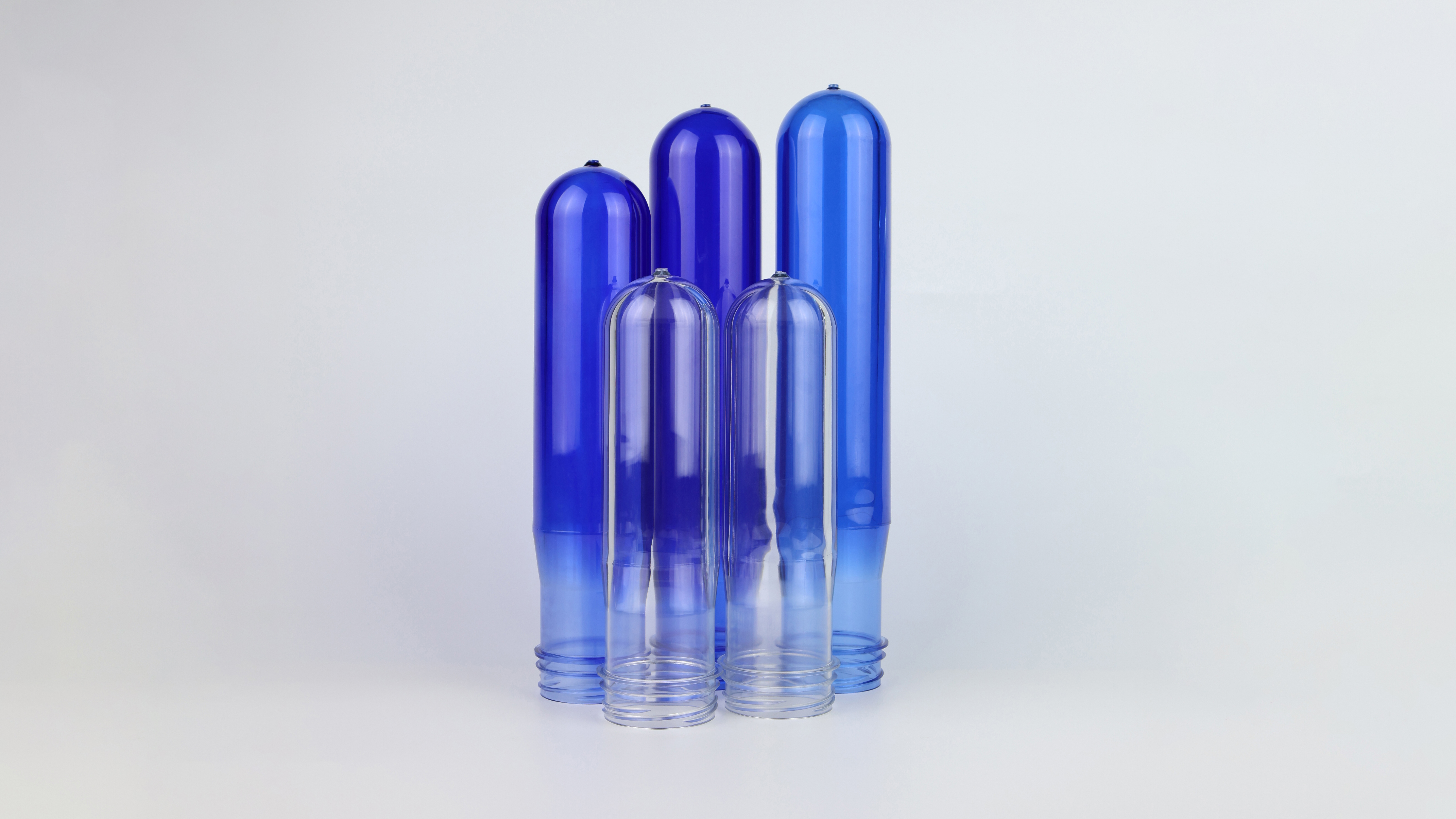
In the competitive beverage packaging industry, a pet preform manufacturer must maintain rigorous quality standards to protect brand reputation and consumer safety. ISO quality control frameworks have become the backbone of modern preform production, ensuring that every preform meets international specifications before it reaches beverage producers. The stakes are high: a single defective preform can compromise an entire production batch, leading to costly recalls, regulatory penalties, and lost customer trust.
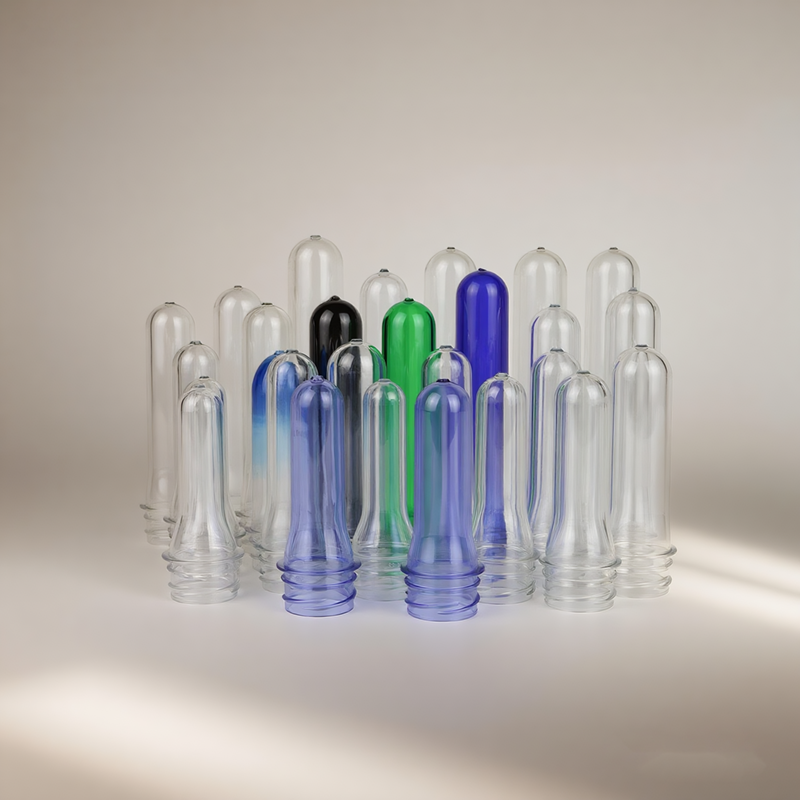
Any serious pet preform manufacturer understands that ISO compliance is not merely a certification checkbox but a comprehensive quality management philosophy that permeates every production stage. From raw material selection through final packaging, ISO protocols establish documented procedures, measurement standards, and accountability mechanisms that make quality control systematic and repeatable. This article explores how leading pet preform manufacturers implement ISO quality control systems to deliver consistent, safe, food-grade preforms that meet customer specifications and regulatory demands.
Understanding ISO Standards in Preform Manufacturing
Core ISO Requirements for a Pet Preform Manufacturer
Every pet preform manufacturer operating under ISO 9001:2015 must establish a documented quality management system that defines processes, responsibilities, and performance metrics. ISO 9001 serves as the foundational certification that demonstrates a pet preform manufacturer's commitment to consistent product quality and customer satisfaction. The standard requires a pet preform manufacturer to map all production stages, identify critical control points, establish testing protocols, and maintain records that provide full traceability of each preform batch from material receipt to shipment.
Beyond ISO 9001, food-contact materials demand that a pet preform manufacturer also comply with ISO 10993 and FDA regulations concerning polymer safety. A pet preform manufacturer producing beverage containers must verify that PET resin comes from approved suppliers and that the manufacturing environment poses no risk of contamination. The quality documentation that a pet preform manufacturer maintains becomes evidence of due diligence, protecting the company from liability should a downstream safety issue arise despite proper controls.
ISO Accreditation and Third-Party Verification
Third-party auditors validate that a pet preform manufacturer maintains consistent ISO compliance through announced and unannounced inspections. These audits verify that a pet preform manufacturer's documented procedures match actual practices on the production floor. A pet preform manufacturer that achieves ISO certification demonstrates to beverage producers, retailers, and regulators that quality management is embedded in the company's operations, not merely a compliance afterthought.
Implementing ISO Quality Control Processes
Raw Material Control in Preform Production
A pet preform manufacturer begins quality control at the material reception stage by testing incoming PET resin against specifications for moisture content, melt flow index, and color consistency. Every shipment received by a pet preform manufacturer is sampled and tested to verify that the resin meets ISO standards before it enters the hopper. A pet preform manufacturer documents each material lot, creating a quality history that proves the preform's genealogy should any batch require investigation or recall.
The pet preform manufacturer also controls storage conditions because PET is hygroscopic and absorbs moisture from ambient air, which degrades mechanical properties and clarity. Proper drying protocols are established by the pet preform manufacturer to ensure that resin moisture never exceeds specification limits. This upstream material discipline is often invisible to end customers but represents one of the most critical quality levers that a pet preform manufacturer controls.
In-Process Monitoring and Statistical Control
During injection molding, a pet preform manufacturer deploys in-cavity pressure sensors, mold temperature controls, and cycle time monitoring to ensure each preform solidifies under identical conditions. Statistical process control charts allow a pet preform manufacturer to detect drift trends before defects occur, enabling proactive adjustments rather than reactive sorting. A pet preform manufacturer using real-time data collection can identify machine wear, material variation, or environmental fluctuations that might otherwise produce marginal preforms that appear acceptable initially but fail in service.
A pet preform manufacturer also implements layer structure verification for multilayer preforms, confirming that barrier layers, color layers, and virgin layers maintain specified thicknesses. Weight checking is automated, and any preform falling outside the acceptable range is automatically rejected. The pet preform manufacturer records these in-process measurements to demonstrate that production remained under statistical control throughout the shift.
Final Quality Testing and Release Criteria
Before shipment, a pet preform manufacturer conducts dimensional verification, wall thickness measurement, and visual inspection under standardized lighting to detect color inconsistencies, gate vestige size, and surface defects. A pet preform manufacturer also performs sample bottle testing by blowing preforms under controlled conditions to verify that they expand uniformly and achieve specification dimensions. Burst strength testing, drop testing, and thermal cycling may be performed on samples to confirm that preforms meet end-use performance requirements.
A pet preform manufacturer maintains calibrated laboratory equipment and ensures that all testing instruments are traceable to national or international standards. Quality release criteria are defined in advance, and a pet preform manufacturer documents every batch's test results, creating an auditable record that justifies release or rejection decisions. This transparency is critical when a customer has a concern; the pet preform manufacturer can immediately provide test data proving the preform met specification at release.
Managing Continuous Improvement and Audit Readiness
Documentation and Traceability Systems
A pet preform manufacturer maintains a comprehensive document control system that includes process specifications, work instructions, inspection procedures, and forms that capture real-time production data. Every batch produced by the pet preform manufacturer is assigned a unique lot code and tracked through a database that links material lot, machine, cavity, shift, and operator to specific preforms. Should a customer report a quality issue, the pet preform manufacturer can instantly retrieve the production history and provide root cause evidence.
The pet preform manufacturer also preserves retained samples from each batch, stored in a climate-controlled area with a defined shelf life, so that independent verification is possible if required. This practice demonstrates a pet preform manufacturer's confidence in quality and provides a safety net for dispute resolution with customers.
Corrective and Preventive Actions
When the pet preform manufacturer identifies a nonconformity, whether through customer feedback or internal testing, a formal investigation is launched to determine root cause and implement corrective action. A pet preform manufacturer documents the problem, analysis, corrective measures, and verification that the fix resolved the issue. Preventive actions are also initiated by the pet preform manufacturer when trends suggest that a problem might emerge, closing gaps before defects occur.
A pet preform manufacturer schedules regular management reviews to assess quality performance against objectives, ensuring that leadership is informed and engaged in continuous improvement. This structured approach to problem-solving and prevention distinguishes a mature pet preform manufacturer from competitors who rely on ad-hoc reaction.
FAQ
What ISO certifications should a pet preform manufacturer hold?
A pet preform manufacturer should hold ISO 9001:2015 certification for quality management systems. Additionally, if producing food-contact preforms, a pet preform manufacturer may pursue ISO 22000 (food safety management) or compliance with FDA and EFSA regulations. These certifications validate that a pet preform manufacturer has implemented documented procedures for material control, process monitoring, and product testing throughout manufacturing.
How often does a pet preform manufacturer test for quality?
A pet preform manufacturer typically tests incoming material for every delivery, monitors process parameters continuously during molding, and conducts final product inspection on every batch before release. Many pet preform manufacturers also perform statistical sampling of finished preforms for dimensional, wall thickness, and performance testing. The frequency depends on contract requirements, product complexity, and customer specifications, but a rigorous pet preform manufacturer conducts testing at multiple checkpoints rather than relying on a single inspection stage.
Can a pet preform manufacturer guarantee zero defects?
A pet preform manufacturer cannot guarantee absolutely zero defects, but ISO quality control systems minimize defect rates to levels acceptable in high-volume production, often below 1% reject. A responsible pet preform manufacturer communicates realistic defect expectations and maintains traceability so that any issues are detected, investigated, and corrected quickly. Continuous improvement efforts allow a pet preform manufacturer to progressively reduce defect rates while maintaining cost efficiency and delivery performance.
