EN
EN


عند فحص التسلسل الهرمي للتصنيع الخاص بالزجاجات البلاستيكية، يُبرز السؤال الجوهري المتعلق بالقوالب الأولية (Preforms) مقابل الزجاجات حقيقةً بالغة الأهمية: فجودة الزجاجة تُحدَّد مسبقًا من خلال تميُّز القالب الأولي، وليس من خلال عملية تشكيل الزجاجة نفسها. وهذه الحقيقة التصنيعية تتحدى الطريقة التقليدية في التفكير حول الموقع الأنسب لممارسة ضبط الجودة، وتنقل التركيز من المنتج النهائي المرئي إلى المكوِّن الأساسي الذي يُقرِّر كل جوانب أداء الزجاجة النهائية.
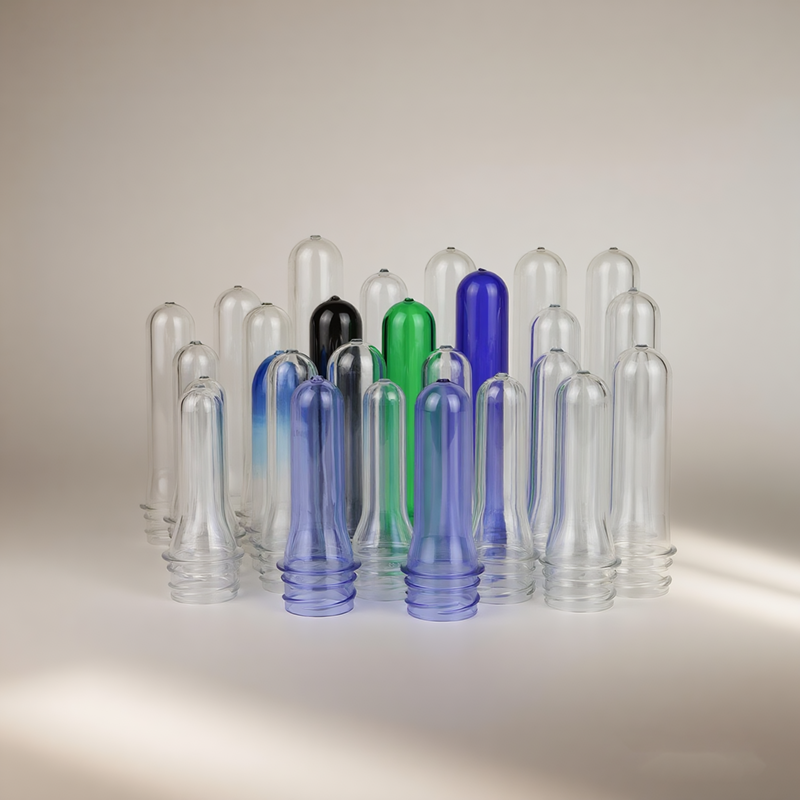
يتطلب فهم العلاقة بين القوالب الأولية (Preforms) والزجاجات التعرف على أن القوالب الأولية تؤدي دور المخطط الجيني للخصائص التي تتحلى بها الزجاجة. فكل ترتيب جزيئي، وكل نمط لتوزيع المادة، وكل عامل يؤثر في السلامة الهيكلية الذي يتم إنشاؤه أثناء إنتاج القالب الأولي ينعكس مباشرةً على معايير أداء الزجاجة. ويُفسِّر هذا التأثير الأساسي سبب استثمار مصنِّعي الزجاجات الراقية بكثافة في أنظمة ضمان جودة القوالب الأولية، بدلًا من محاولة التعويض عن عيوب القوالب الأولية باستخدام تقنيات متقدمة لتشكيل الزجاجات.
التسلسل التصنيعي الذي يُحدِّد أولوية الجودة
نموذج ما قبل التشكيل الإنتاج كأساسٍ للجودة
يبدأ مقارنة القوالب الأولية (Preforms) بالزجاجات بفهم أن تصنيع القوالب الأولية يُحدِّد المعايير الأساسية للجودة التي لا يمكن تحسينها أثناء تشكيل الزجاجات لاحقًا. فخلال عملية صب الحقن، تتلقى القالب الأولي توجيهه الجزيئي وتوزيع كثافة المادة وخصائص سلامته البنائية. وتبقى هذه الخصائص مُدمجةً في تركيب المادة، ما يجعل جودة القالب الأولي العامل الحاسم في أداء الزجاجة، وليس تقنيات تشكيل الزجاجة.
يُحدِّد اختيار المادة أثناء إنتاج القارورة الأولية (Preform) السقف الأقصى للأداء الذي يمكن أن تحققه القارورة النهائية. وتحدد جودة راتنج البولي إيثيلين تيريفثاليت (PET)، وتوزيع المضافات، وملفات درجات حرارة المعالجة أثناء صب القوالب الحقني للقوارير الأولية الخصائص الحاجزية، ومستويات الوضوح، والخصائص الميكانيكية للقوة. ويبيّن العلاقة بين القوارير الأولية والقوارير النهائية أنه لا يمكن للقوارير النهائية تجاوز القيود المفروضة على الجودة والتي تم تحديدها أثناء تصنيع القوارير الأولية، بغض النظر عن مدى تطور عمليات التشكيل بالنفخ (Blow Molding) المطبَّقة لاحقًا.
يتحكم اتساق سماكة الجدار في القوالب الأولية مباشرةً في تجانس جدار الزجاجة وتوزيع القوة فيه. وتشكّل معايير صب القوالب الأولية بالحقن، مثل درجة حرارة الكتلة المنصهرة وضغط الحقن ومعدلات التبريد، الأساس لتحقيق اتساق سماكة جدار الزجاجة. ويوضّح هذا الانتقال النوعي من القالب الأولي إلى الزجاجة سبب ضرورة أن تُركّز الشركات المصنعة التي تسعى لتحسين جودة الزجاجات على إتقان إنتاج القوالب الأولية بدلًا من تحسين عملية تشكيل الزجاجات عند مقارنة القوالب الأولية بالزجاجات ضمن استراتيجياتها لتحسين الجودة.
آليات الانتقال النوعي من القالب الأولي إلى الزجاجة
عملية التمدد والتشكيل بالنفخ التي تحول القوالب الأولية إلى زجاجات تعمل كنظام لتضخيم الجودة بدلًا من كونها نظامًا لإنشاء الجودة. وخلال تشكيل الزجاجة، تتضخم خصائص القالب الأولي وتتوزَّع على مساحة السطح الأكبر للزجاجة. وبما أن العيوب الموجودة في القوالب الأولية — مثل عدم انتظام المادة أو التلوث أو التباينات البُعدية — تتحول إلى عيوب في الزجاجات بنسبة تضخيم قابلة للتنبؤ بها، فإن ذلك يُظهر العلاقة الاعتمادية بين جودة القوالب الأولية وجودة الزجاجات.
يُحدِّد اتجاه الجزيئات الذي يتكوَّن أثناء إنتاج القالب الأولي خصائص مقاومة الزجاجة و أدائها كحاجز. وتؤدي عملية حقن القالب الأولي إلى إحداث محاذاة جزيئية أولية تؤثِّر في سلوك المادة أثناء عملية التشكيل بالنفخ الممتد. ويؤثِّر هذا الهيكل الجزيئي الخاضع للتحكم عبر القالب الأولي في الخصائص النهائية للزجاجة، ومنها مقاومة الانفجار، ومقاومة التَّرخُّص (الانزياح الزمني)، وأداء الحاجز أمام الغازات، ما يوضِّح سبب ضرورة تركيز المناقشات المتعلقة بجودة القوالب الأولية مقارنةً بالزجاجات على التميُّز في تصنيع القوالب الأولية.
التاريخ الحراري المُضمَّن في القوالب الأولية يؤثر على سلوك تشكيل الزجاجات والخصائص النهائية للمنتج. وتؤثر معدلات تبريد القوالب الأولية وظروف التلدين ومستويات الطاقة المخزَّنة في كيفية استجابة المادة أثناء إعادة التسخين وعملية النفخ بالتمديد. ويساعد فهم تأثير الذاكرة الحرارية هذه في العلاقة بين القوالب الأولية والزجاجات المصنَّعة منها المصنِّعين على تحسين ظروف إنتاج القوالب الأولية لتحقيق نتائج متفوِّقة من حيث جودة الزجاجات، بدلًا من محاولة إجراء تصحيحات أثناء مراحل تشكيل الزجاجات.
عوامل الجودة الحرجة التي تنشأ في القوالب الأولية
التحكم في توزيع المادة والكثافة
يُنشئ صب الحقن للقالب الأولي تدرجات في كثافة المادة تتحكم مباشرةً في توزيع سماكة جدار الزجاجة والخصائص الميكانيكية لها. وتؤدي تصميم نقطة التغذية وسرعة الحقن وضغط الإمساك أثناء إنتاج القالب الأولي إلى تباينات في الكثافة تصبح خصائص دائمة في البنية النهائية للزجاجة. وعند تحليل القوالب الأولية مقارنةً بالزجاجات، فإن هذا التحكم في الكثافة يمثل العامل الرئيسي الذي يحدد اتساق جودة الزجاجة وقابلية التنبؤ بأدائها.
يؤثر توزيع المضافات داخل القوالب الأولية على خصائص العزل في الزجاجات، ومقاومتها للأشعة فوق البنفسجية، واتساق لونها. ويحدد انتشار العجينة الرئيسية أثناء صب القوالب الأولية بالحقن كيفية توزُّع المضافات في جدار الزجاجة بعد عملية التشكيل بالنفخ الممتد. ويؤدي التوزيع غير الجيد للمضافات في القوالب الأولية إلى تباين في أداء الزجاجات لا يمكن تصحيحه عبر تعديلات في عملية تشكيل الزجاجات، مما يبرز الأهمية البالغة لجودة القوالب الأولية في سلسلة التصنيع التي تشمل القوالب الأولية مقابل الزجاجات.
تؤثر مستويات التبلور التي تُحدَّد أثناء تبريد القالب الأولي على وضوح الزجاجة وقوتها وسلوكها أثناء المعالجة. وتُحدد معدلات تبريد القالب الأولي والملفات الحرارية التوازن بين المناطق غير المتبلورة والمناطق المتبلورة في تركيب مادة البولي إيثيلين تيريفثاليت (PET). ويؤثر هذا التوازن في التبلور على أداء المادة أثناء تشكيل الزجاجة، كما يؤثر على الخصائص النهائية للزجاجة، ومنها الوضوح ومقاومة الصدمات ومقاومة المواد الكيميائية، وذلك في إطار العلاقة بين جودة القوالب الأولية والزجاجات.
السلامة الهيكلية ومنع العيوب
تُصبح نقاط تركيز الإجهاد التي تتشكل أثناء صب القوالب الأولية بالحقن مواقع لبدء الفشل في الزجاجات تحت ظروف الاستخدام العادية. وتؤدي علامات البوابة وخطوط اللحام وعلامات الغور في القوالب الأولية إلى تركيز الإجهاد أثناء تشكيل الزجاجة، ما يُنشئ نقاط ضعف في المنتج النهائي. ويُمكِّن فهم هذه الأنماط الإجهادية في العلاقة بين القوالب الأولية والزجاجات المصنّعين من تحسين تصميم القوالب الأولية وظروف المعالجة لمنع فشل الزجاجات قبل وقوعه.
يؤثر إنتاج الأسيتالدهيد أثناء تصنيع القوالب الأولية على خصائص الطعم والرائحة في الزجاجات المستخدمة في تطبيقات المشروبات. وتحدد درجة حرارة المعالجة وإدارة زمن الت Residence أثناء صب القوالب الأولية بالحقن مستويات تكوُّن الأسيتالدهيد التي تبقى موجودة خلال تشكيل الزجاجة وتنتقل إلى المنتج النهائي. ويُظهر هذا التأثير على النكهة كيف أن اعتبارات الجودة المتعلقة بالعلاقة بين القوالب الأولية والزجاجات يجب أن تتناول ليس فقط الخصائص الميكانيكية، بل أيضًا الخصائص الحسية التي تؤثر على قبول المستخدم النهائي.
يمنع التحكم في التلوث أثناء إنتاج القوالب الأولية حدوث مشكلات جودة لا يمكن التخلص منها أثناء تشكيل الزجاجات. ويصبح التلوث الجسيمي والتلوث اللوني والتلوث الكيميائي، الذي يُدخل أثناء تصنيع القوالب الأولية، سمات دائمة في الزجاجات. القوالب الأولية مقابل الزجاجات وتوضح تسلسل التصنيع أن منع التلوث يجب أن يتم أثناء إنتاج القوالب الأولية، بدلًا من محاولة إزالته لاحقًا أثناء عمليات تشكيل الزجاجات.
الأثر الاقتصادي لجودة القوالب الأولية على تصنيع الزجاجات
تحليل هيكل التكاليف والاستثمار في الجودة
يكشف توزيع الاستثمار بين جودة القوالب الأولية وتحسين تشكيل الزجاجات أن تحسينات القوالب الأولية تحقق عائد استثمار أعلى مقارنةً بتحسينات إنتاج الزجاجات. ويُظهر تحليل التكلفة المقارن بين القوالب الأولية والزجاجات أن منع العيوب أثناء إنتاج القوالب الأولية يكلف أقل بكثيرٍ من اكتشاف الزجاجات المعيبة ورفضها بعد التشكيل. وتدفع هذه العلاقة الاقتصادية المصنّعين الناجحين إلى إعطاء الأولوية لأنظمة ضمان جودة القوالب الأولية على أنظمة تصحيح جودة الزجاجات.
يتجاوز خفض النفايات المحقَّق من خلال تحسين جودة القوالب الأولية الوفورات الممكنة عبر تحسين عملية إنتاج الزجاجات. فاستهلاك الموارد في حالة القوالب الأولية المعيبة أقل من استهلاكها في حالة الزجاجات المعيبة، ما يجعل مراقبة جودة القوالب الأولية أكثر كفاءة من حيث التكلفة مقارنةً بمراقبة جودة الزجاجات. ويبيِّن تحليل النفايات الناتجة عن القوالب الأولية مقابل الزجاجات أن منع العيوب في مرحلة القوالب الأولية يلغي النفايات الناتجة عن كلٍّ من عملية إنتاج القوالب الأولية وعملية تشكيل الزجاجات، مما يحقِّق أقصى كفاءة ممكنة في استغلال المواد.
تتفوَّق المكاسب في كفاءة الإنتاج الناتجة عن اتساق جودة القوالب الأولية على التحسينات الممكنة عبر تحسين عملية تشكيل الزجاجات. فالقوالب الأولية عالية الجودة تتيح دورات إنتاج أسرع للزجاجات، وتخفيض التعديلات المطلوبة على الآلات، ومعدلات رفض أقل. ويُظهر هذا العلاقة بين كفاءة القوالب الأولية والزجاجات أن اتساق جودة القوالب الأولية يولِّد فوائد متراكمة في جميع مراحل نظام تصنيع الزجاجات، مما يحسِّن الفعالية العامة للمعدات وكفاءة استغلال طاقة الإنتاج.
التنافسية السوقية ووضع الجودة
يصبح التميُّز العلَمي في أسواق الزجاجات التنافسية بشكل متزايد معتمدًا على مزايا جودة القوالب الأولية (Preforms) بدلًا من قدرات تشكيل الزجاجات. فالمزايا الأداءية المتفوِّقة للزجاجات الراقية — مثل الوضوح الاستثنائي، والتساوي في سماكة الجدار، وخصائص الحواجز المحسَّنة — تنبع من تميُّز القوالب الأولية وليس من تقنيات إنتاج الزجاجات. ويساعد فهم هذه الديناميكية التنافسية بين القوالب الأولية والزجاجات المصنِّعينَ على تركيز استثمارات الجودة في المجالات التي تحقِّق أكبر ميزة تسويقية.
تتماشى مقاييس رضا العملاء بشكل أقوى مع معايير جودة القوالب الأولية مقارنةً بمتغيرات عملية تشكيل الزجاجات. وعادةً ما تعود شكاوى الأداء المقدمة من المستخدمين النهائيين إلى عيوب في القوالب الأولية وليس إلى مشكلات في عملية تشكيل الزجاجات، مما يشير إلى أن الاحتفاظ بالعملاء يعتمد في المقام الأول على اتساق جودة القوالب الأولية. ويُوجِه هذا التحليل المقارن بين تأثير القوالب الأولية والزجاجات على العملاء المصنّعينَ نحو إعطاء الأولوية لأنظمة جودة القوالب الأولية لتحقيق نموٍّ تجاري مستدام والحفاظ على المكانة السوقية.
تركز الامتثال التنظيمي وشهادات الجودة بشكل متزايد على عمليات تصنيع القوالب الأولية (Preforms) بدلًا من أنظمة إنتاج الزجاجات. وتقر المعايير الدولية للجودة بأن أداء الزجاجة يعتمد جوهريًّا على جودة القالب الأولي، ما يؤدي إلى تشديد متطلبات إنتاج القوالب الأولية وتقليل التركيز على ضوابط عملية تشكيل الزجاجات. ويؤكِّد هذا الاتجاه التنظيمي في معايير الجودة الخاصة بالقوالب الأولية مقابل الزجاجات اعتراف القطاع بأولوية جودة القوالب الأولية في تحقيق التميُّز في تصنيع الزجاجات.
استراتيجيات التنفيذ العملي للجودة المرتكزة على القوالب الأولية
تصميم نظام الجودة ونقاط الضبط
يتطلب إدارة الجودة الفعالة في تصنيع القوالب الأولية (Preforms) مقابل الزجاجات تحويل موارد ضبط الجودة من فحص الزجاجات إلى مراقبة إنتاج القوالب الأولية. ويوفّر التحكم في العملية في الوقت الفعلي أثناء صب القوالب الأولية بالحقن ضماناً أعلى للجودة مقارنةً باختبار الزجاجات بعد الإنتاج. وتمكّن هذه الاستراتيجية لتوزيع الموارد المصنّعين من منع المشكلات المتعلقة بالجودة بدلًا من اكتشافها، مما يقلل الهدر ويزيد رضا العملاء من خلال أداء الزجاجات المتسق.
يجب أن يركّز تطبيق التحكم الإحصائي في العمليات على متغيرات إنتاج القوالب الأولية بدلًا من معايير تشكيل الزجاجات عند تحسين العلاقة بين جودة القوالب الأولية والزجاجات. وتشمل المعايير الرئيسية الخاضعة للتحكم درجة حرارة الكتلة المنصهرة، وضغط الحقن، وزمن التبريد، والقياسات البُعدية أثناء إنتاج القوالب الأولية. وتؤدي هذه الضوابط الخاصة بعملية إنتاج القوالب الأولية إلى تحقيق استقرار أكبر في جودة الزجاجات مقارنةً بمراقبة متغيرات تشكيل الزجاجات مثل درجة حرارة الصب بالنفخ أو ملفات الضغط.
يجب أن تُركِّز برامج إدارة جودة المورِّدين على مواصفات المواد الأولية للقالب مسبقاً (Preform) بدلاً من قدرات معدات إنتاج الزجاجات. فجودة راتنج البولي إيثيلين تيريفثاليت (PET)، واتساق الإضافات، واستقرار أصباغ التلوين أثناء إنتاج القالب مسبقاً تؤثر في جودة الزجاجة تأثيراً أكبر بكثير مما تؤثر فيه دقة آلة التشكيل بالنفخ أو خبرة العاملين في تشكيل الزجاجات. ويضمن هذا التركيز على سلسلة التوريد الخاصة بالقوالب مسبقاً مقابل الزجاجات وجود أسس الجودة قبل بدء إنتاج الزجاجات، ما يخلق مزايا جودة مستدامة عبر نظام التصنيع بأكمله.
دمج التكنولوجيا وتعزيز الجودة
يجب أن تركز تنفيذات تقنيات المراقبة المتقدمة للعمليات على أنظمة حقن القوالب الأولية (Preform) بدلًا من معدات نفخ الزجاجات (Bottle Blow Molding) عند مقارنة فرص تحسين الجودة بين القوالب الأولية والزجاجات. فتوفر أنظمة مراقبة ضغط القالب (Cavity Pressure Monitoring) والتحكم في درجة حرارة المصهور (Melt Temperature Control) وأنظمة القياس البُعدي أثناء إنتاج القوالب الأولية فوائد جودة أكبر مما توفره التقنيات المماثلة عند تطبيقها على عمليات تشكيل الزجاجات.
يجب أن تدمج أنظمة تحليلات بيانات الجودة بيانات إنتاج القوالب الأولية مع مقاييس أداء الزجاجات لتحسين العلاقة التصنيعية بين القوالب الأولية والزجاجات. وتمكّن عملية ربط متغيرات عملية إنتاج القوالب الأولية بنتائج جودة الزجاجات المصنّعين من التنبؤ بأداء الزجاجات استنادًا إلى خصائص القوالب الأولية، ما يحسّن كفاءة مراقبة الجودة ويقلل من الهدر الإنتاجي عبر تبني نُهج إدارة الجودة التنبؤية.
يجب أن تُركِّز برامج تدريب الموظفين على فهم جودة القوالب الأولية (Preforms) أكثر من مهارات إنتاج الزجاجات عند تطوير الخبرة التصنيعية في عمليات القوالب الأولية مقابل الزجاجات. فالعاملون الذين يفهمون كيف تؤثر خصائص القالب الأولي على أداء الزجاجة يتخذون قراراتٍ أفضل بشأن العمليات ويحددون مشكلات الجودة بكفاءةٍ أعلى مقارنةً بأولئك الذين يركّزون أساسًا على تقنيات تشكيل الزجاجات، مما يحقِّق تحسيناتٍ مستدامةً في الجودة عبر نظام الإنتاج كاملاً.
الأسئلة الشائعة
لماذا تكتسب جودة القالب الأولي أهميةً أكبر من جودة عملية تشكيل الزجاجة؟
يُحدِّد جودة القالب الأولي الخصائص الأساسية للمواد والخصائص الهيكلية التي تؤثر في أداء الزجاجة النهائية، بينما لا يمكن لعمليات تشكيل الزجاجات سوى تحسين هذه الخصائص الموجودة مسبقاً، وليس إنشاء سمات جودة جديدة. وتكشف العلاقة بين القوالب الأولية والزجاجات أن الزجاجات لا يمكنها تجاوز القيود المفروضة على الجودة والتي تحدَّدها مرحلة إنتاج القوالب الأولية، مما يجعل التميُّز في إنتاج القوالب الأولية العامل الحاسم الرئيسي في جودة الزجاجات، وليس الخبرة في عمليات تشكيل الزجاجات.
كيف تؤثر عيوب القوالب الأولية في أداء الزجاجات ورضا العملاء؟
تتفاقم عيوب القوالب الأولية أثناء تشكيل الزجاجات، مما يؤدي إلى مشكلات في الأداء مثل مناطق الضعف، ومشاكل في الوضوح، وتغيرات في خصائص الحواجز، وعدم الاتساق في الأبعاد، وهي عوامل تؤثر مباشرةً على تجربة المستخدم النهائي. وفي سلسلة الجودة التي تمتد من القوالب الأولية إلى الزجاجات، تتضخَّم عيوب القوالب الأولية عبر مساحة سطح الزجاجة الأكبر، ما يحوِّل العيوب الطفيفة في القوالب الأولية إلى مشكلات جوهرية في جودة الزجاجات، مما يؤثر سلبًا على رضا العملاء وسمعة العلامة التجارية.
ما الخصائص المحددة للقوالب الأولية التي تؤثر تأثيرًا أكبر على جودة الزجاجات؟
توزيع كثافة المادة، واتساق سماكة الجدار، وتوجُّه الجزيئات، والتحكم في التلوث أثناء إنتاج القوالب الأولية (Preforms) هي العوامل التي تؤثر تأثيرًا بالغ الأهمية على جودة الزجاجات. وتتحوَّل هذه الخصائص الخاصة بالقوالب الأولية مباشرةً إلى مقاومة الزجاجة، ووضوحها، وخصائص الحواجز المانعة للتسرب، وأدائها العام، ما يدل على أن العلاقة بين جودة القوالب الأولية وجودة الزجاجات تعتمد أساسًا على تحقيق التميُّز في هذه المعايير الأساسية لتصنيع القوالب الأولية.
هل يمكن لتقنيات إنتاج الزجاجات أن تعوِّض ضعف جودة القوالب الأولية؟
لا يمكن لتقنيات إنتاج الزجاجات التغلب على القيود الأساسية في الجودة التي تُحدَّد أثناء تصنيع القوالب الأولية، لأن عملية التشكيل بالنفخ الممتد تضخِّم الخصائص الموجودة أصلاً في القوالب الأولية بدلًا من إنشاء سمات جودة جديدة. ويبيّن تسلسل التصنيع (من القوالب الأولية إلى الزجاجات) أن عمليات تشكيل الزجاجات تعمل ضمن الحدود النوعية التي تحددها عملية إنتاج القوالب الأولية، مما يجعل تحسين جودة القوالب الأولية الاستراتيجية الأكثر فعالية لتحقيق أداء متفوق للزجاجات، بدلًا من محاولة إجراء تصحيحات نوعية أثناء تشكيل الزجاجات.